Beach homes for sale in Florida beckon with the promise of sun-drenched shores and the soothing rhythm of the ocean. This guide delves into the diverse allure of Florida’s coastlines, from the vibrant Atlantic seaboard to the tranquil Gulf shores, uncovering the unique lifestyles and investment opportunities that await. Whether you’re seeking a serene escape or a lively community, the Sunshine State offers an unparalleled selection of coastal residences designed to capture the essence of paradise.
Exploring the vast array of beach homes for sale in Florida reveals a spectrum of possibilities, catering to every taste and budget. From opulent estates with private beach access to charming cottages nestled in quaint seaside towns, the options are as varied as the coastline itself. We will navigate the intricacies of financing, understand the essential considerations for beachfront properties, and celebrate the architectural beauty and lifestyle enhancements that make owning a piece of Florida’s coast an enduring dream.
Discovering the allure of coastal living by exploring desirable beach home locations across Florida’s diverse coastline.
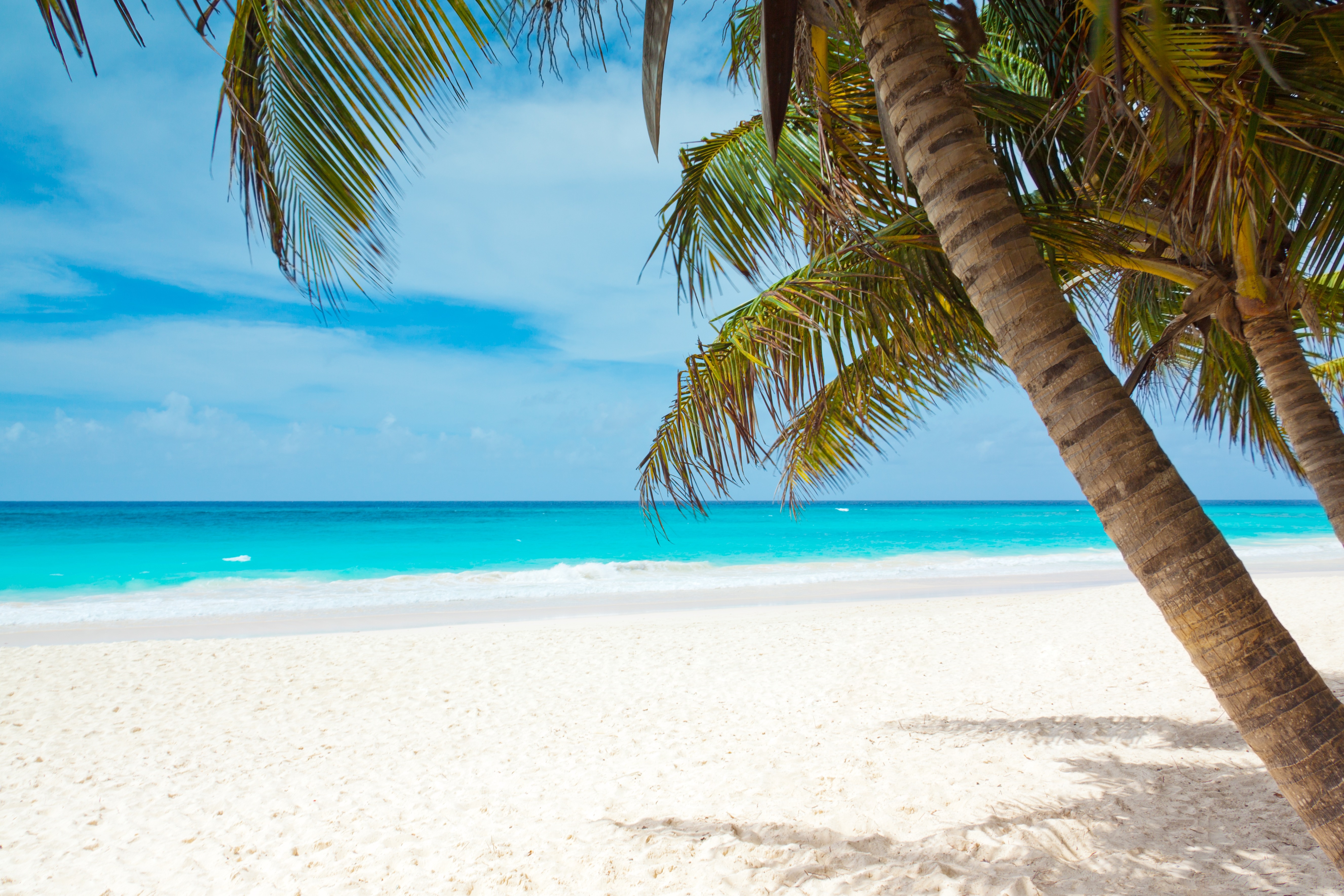
Florida’s extensive coastline, stretching over 1,350 miles, offers an unparalleled array of opportunities for those seeking to embrace the quintessential beach home lifestyle. From the vibrant energy of the Atlantic to the tranquil shores of the Gulf, each region presents a unique tapestry of experiences, catering to a wide spectrum of preferences and desires. Owning a beach home in Florida is more than just acquiring property; it’s an invitation to a lifestyle defined by sun-drenched days, refreshing ocean breezes, and the constant rhythm of the tides.
This exploration delves into the distinct charms of various coastal areas, helping potential homeowners understand the nuances of each locale and find the perfect sanctuary.The allure of Florida’s beach home market is multifaceted, driven by its favorable climate, abundant recreational activities, and robust real estate market. Whether you envision waking up to the sunrise over the Atlantic or the sunset casting a golden glow on the Gulf, Florida’s coastline promises a dream realized.
The diversity of its shores means that whether you seek bustling boardwalks, secluded coves, or family-friendly shores, a perfect beach home awaits.
Atlantic Coast Beach Home Charm and Lifestyle Benefits
Florida’s Atlantic coast beckons with a dynamic blend of natural beauty and sophisticated living, offering a distinct lifestyle for beach home owners. This stretch of coastline is renowned for its energetic surf, expansive sandy beaches, and proximity to cultural hubs, making it a prime destination for those who appreciate both relaxation and engagement. The Atlantic side generally features a more robust surf, attracting surfers and water sports enthusiasts, while the beaches often boast a wider expanse of sand, ideal for long walks and sunbathing.
The lifestyle here is often characterized by a lively atmosphere, with numerous beachfront restaurants, lively entertainment districts, and access to world-class shopping and dining.Popular areas along the Atlantic coast showcase this unique charm. In the north, areas like Amelia Island offer a more laid-back, historic feel with stunning dunes and equestrian-friendly beaches. Moving south, St. Augustine, the nation’s oldest city, provides a rich historical backdrop to its coastal living, blending ancient architecture with seaside serenity.
Further down, the beaches of Palm Beach County, including Palm Beach itself and Delray Beach, exude an air of elegance and exclusivity, featuring manicured beachfronts, high-end boutiques, and a vibrant arts scene. Further south still, Fort Lauderdale and Miami-Dade County offer a more cosmopolitan beach experience, with iconic South Beach providing a backdrop for a lively, energetic lifestyle, complete with art deco architecture and a thriving nightlife.
The lifestyle benefits are considerable: immediate access to oceanfront activities, the invigorating experience of ocean breezes, and the psychological uplift that comes from living in close proximity to the vast, ever-changing ocean. The consistent sunshine, coupled with the therapeutic sound of waves, contributes to a reduced stress level and an enhanced sense of well-being.The real estate market on the Atlantic coast reflects this vibrancy, with a range of property types available.
You also can understand valuable knowledge by exploring Cheap Mobile Homes for Sale in Palm Beach County.
From charming oceanfront cottages and modern condominiums with panoramic ocean views to expansive single-family homes with private beach access, there are options to suit various budgets and preferences. The demand for properties here remains consistently high, driven by both domestic and international buyers attracted to the Florida lifestyle and the potential for investment appreciation.
Distinct Advantages and Specific Appeal of Gulf Coast Beach Communities
The Gulf Coast of Florida presents a captivating alternative for beach home seekers, distinguished by its calmer, crystal-clear waters, powdery white sands, and a generally more tranquil and relaxed atmosphere. This side of the state is celebrated for its picturesque sunsets that paint the sky in vibrant hues, its abundance of shelling opportunities, and its family-friendly environments. The waters of the Gulf are typically more serene than those of the Atlantic, making them ideal for swimming, paddleboarding, kayaking, and boating.
The beaches are often characterized by their soft, sugar-white sand, which is not only beautiful but also remains cooler underfoot, enhancing the comfort of a day spent outdoors.Prominent regions along the Gulf Coast offer distinct individual vibes. The Panhandle, with areas like Destin and Panama City Beach, is famous for its emerald waters and white sandy beaches, offering a classic Florida vacation destination feel with plenty of family-oriented attractions and activities.
Further south, the Nature Coast, including Crystal River and Homosassa, provides a more natural and serene experience, with opportunities for manatee encounters and exploring pristine springs, appealing to those seeking a quieter escape. The central Gulf Coast, encompassing Clearwater, St. Pete Beach, and Sarasota, is renowned for its award-winning beaches and lively yet relaxed communities. Sarasota, in particular, offers a sophisticated cultural scene alongside its stunning coastline, with islands like Siesta Key and Longboat Key boasting some of the most beautiful beaches in the country.
Further down the coast, Naples and Marco Island in Southwest Florida are synonymous with luxury and exclusivity, offering pristine beaches, world-class golf, and upscale amenities, attracting a discerning clientele.The advantages of residing in these Gulf Coast beach communities are numerous. The slower pace of life, coupled with the natural beauty, fosters a sense of peace and rejuvenation. The abundance of marine life and the clear waters make it a paradise for snorkelers and divers.
The community feel in many of these towns is strong, with a focus on outdoor living and neighborly interaction. For those who prioritize a serene environment and the gentle lapping of waves over the roar of the surf, the Gulf Coast offers an unparalleled living experience. The appeal extends to the culinary scene, with many coastal towns boasting excellent seafood restaurants serving freshly caught local delicacies.
Captivating Coastal Enclaves for Secluded Beach Home Ownership
Beyond the well-trodden paths of Florida’s major coastal cities, a collection of lesser-known yet captivating coastal enclaves offers a more secluded and intimate beach home ownership experience. These hidden gems are perfect for individuals and families seeking tranquility, privacy, and an escape from the bustling crowds, while still enjoying the beauty and benefits of oceanfront living. These locations often retain a more authentic, unspoiled charm, providing a deeper connection with nature and a slower pace of life.One such enclave is the area around St.
George Island in the Florida Panhandle. While parts of the Panhandle are popular, St. George Island remains a relatively undeveloped barrier island, offering miles of pristine, public beaches, abundant wildlife, and a laid-back, small-town atmosphere. It’s an ideal spot for those who enjoy fishing, birdwatching, and simply unwinding in a natural setting. Another captivating option can be found on the Southwest Florida coast, in areas like Boca Grande on Gasparilla Island.
Accessible by a bridge, Boca Grande offers a charming, historic village feel with strict architectural guidelines that preserve its old-Florida character. Its beaches are known for excellent shelling, and the waters are popular for tarpon fishing, providing a sophisticated yet secluded coastal lifestyle.Further north along the Atlantic coast, towns like Flagler Beach and portions of the southern St. Johns County coast offer a more subdued experience compared to their bustling neighbors.
Flagler Beach retains a nostalgic, surf-town vibe with a pier and a friendly, unpretentious atmosphere. It appeals to those who appreciate a less commercialized beach experience. In the Florida Keys, while popular destinations like Key West draw large crowds, islands like Marathon or Islamorada offer a more peaceful slice of paradise. These middle Keys towns provide stunning water access, incredible fishing, and a relaxed island rhythm, allowing residents to truly disconnect and embrace the unique Keys lifestyle without the overwhelming tourist presence.These secluded enclaves often feature a unique selection of properties, ranging from charming, older beach bungalows to more contemporary, eco-friendly homes designed to blend with the natural environment.
The emphasis is on preserving the natural beauty and tranquility of the area. The lifestyle here is one of deep immersion in nature, with opportunities for quiet reflection, exploration of natural habitats, and a strong sense of community among like-minded residents who value peace and privacy.
Comparison of Atlantic and Gulf Coast Beach Property Market Dynamics
The real estate market for beach properties on Florida’s Atlantic and Gulf Coasts exhibits distinct dynamics, influenced by factors such as water conditions, local economies, and buyer preferences. Understanding these differences is crucial for potential investors and homebuyers seeking to make an informed decision. While both coasts offer desirable coastal living, their market trends, price points, and dominant property types often diverge.On the Atlantic Coast, price trends can be more volatile, often reflecting the influence of major metropolitan areas and a generally higher demand for properties with direct ocean access and expansive views.
Areas like Miami-Dade, Palm Beach, and Broward Counties tend to command premium prices due to their international appeal, thriving economies, and robust tourism sectors. Property types here are diverse, but there’s a significant presence of luxury condominiums and high-rise apartments offering unparalleled ocean vistas, as well as exclusive single-family homes in gated communities. The surf activity also contributes to a segment of the market focused on surf-centric lifestyles.
The average price for a beachfront property on the Atlantic can often be higher, especially in prime locations, driven by scarcity and high demand. For example, a luxury condo in Miami Beach could easily reach several million dollars, while a well-appointed single-family home in a desirable Atlantic coastal town might range from the high hundreds of thousands to tens of millions.Conversely, the Gulf Coast often presents a more stable, albeit still competitive, market with generally more accessible price points, particularly when comparing similar property types in non-major metropolitan areas.
The calmer waters and family-friendly reputation attract a broad demographic, including retirees and families seeking vacation homes or permanent residences. Popular areas like Sarasota, Naples, and parts of the Panhandle often see strong demand, but the sheer expanse of the coastline and the nature of its development can lead to a wider range of price options. Property types on the Gulf Coast include a significant number of single-family homes, many with private docks or direct beach access, as well as a growing number of condominiums and townhouses.
While luxury properties certainly exist, particularly in areas like Naples, the average price for a beachfront home on the Gulf Coast might be slightly lower than its Atlantic counterpart in comparable non-major metro areas. For instance, a beachfront condo in Clearwater might be more affordably priced than a similar unit in Fort Lauderdale. However, highly sought-after areas like Siesta Key or exclusive enclaves in Naples can still command top dollar.In terms of market trends, both coasts experience seasonal fluctuations, with winter and spring typically being the busiest buying seasons.
However, the Gulf Coast might see a more pronounced influx of seasonal residents and tourists during these months, impacting rental markets and property availability. Investment potential is strong on both coasts, but the nature of returns might differ. The Atlantic Coast might offer higher potential for rapid appreciation in prime urbanized areas, while the Gulf Coast could provide more consistent, long-term growth and a stronger rental income potential in established tourist destinations.
Navigating the financial landscape of acquiring a beachfront property in the Sunshine State.

Embarking on the journey to own a slice of Florida’s coveted coastline involves a thorough understanding of the financial intricacies. Beyond the initial excitement of finding your dream beach home, a pragmatic approach to financing and budgeting is paramount. This section delves into the various financial avenues available, the associated costs, and the market dynamics that shape the value of these desirable properties.
Financing Options for Florida Beach Homes
Securing financing for a beach home in Florida, whether it’s a primary residence, a vacation getaway, or an investment property, requires exploring a range of mortgage options. Lenders offer various loan products, each with its own set of requirements and benefits. For primary residences, conventional mortgages are the most common. These typically require a credit score of 620 or higher and a down payment, which can range from 3% to 20% or more, depending on the loan program and your financial profile.
Federal Housing Administration (FHA) loans are also an option for primary residences, offering lower down payment requirements and more flexible credit score criteria, though they may come with mortgage insurance premiums.When considering a second home, lenders often have stricter requirements. Down payments for second homes are typically higher, often ranging from 10% to 25% or more, and interest rates might be slightly elevated compared to primary residences.
This reflects the lender’s perception of increased risk, as a second home is not your primary source of shelter. Investment properties present another distinct financing landscape. Lenders usually require a larger down payment, often 20% to 30%, and interest rates can be higher than for primary or second homes. The loan terms might also be shorter. Additionally, some investors leverage portfolio loans, which allow for financing multiple properties under a single loan agreement, offering flexibility but often requiring significant assets.Adjustable-rate mortgages (ARMs) can be attractive for those who plan to sell or refinance before the fixed-rate period expires, offering lower initial payments.
However, they carry the risk of payments increasing significantly once the introductory rate adjusts. Fixed-rate mortgages provide payment stability over the life of the loan, which can be appealing for budgeting purposes, especially for properties that might experience fluctuating rental income if used as an investment. It’s crucial to shop around with multiple lenders, compare interest rates, fees, and loan terms, and get pre-approved to understand your borrowing capacity and strengthen your offer when you find the perfect beach home.
Associated Costs of Beach Home Ownership
Owning a beach home in Florida extends beyond the sticker price of the property. A multitude of recurring and one-time expenses contribute to the overall cost of ownership, and it’s essential to factor these into your budget. One of the most significant ongoing costs is homeowner’s insurance. Beachfront properties, due to their exposure to hurricanes, flooding, and coastal erosion, often incur substantially higher insurance premiums than inland properties.
This can include separate flood insurance policies, which are often mandatory in designated flood zones and can add thousands of dollars annually to your expenses.Property taxes are another considerable expense. These are levied by local governments and are based on the assessed value of your property. In Florida, property tax rates vary by county and municipality. For beachfront properties, especially in popular tourist destinations, these taxes can be quite high due to the premium value placed on coastal locations.
Beyond taxes, many beach communities, particularly those with shared amenities like private beach access, pools, or gated entrances, have Homeowners Association (HOA) fees. These fees cover the maintenance and upkeep of common areas and can range from a few hundred dollars to several thousand dollars per year, depending on the services provided and the size of the community.Other potential costs include special assessments levied by HOAs or local governments for major infrastructure improvements or repairs.
Regular maintenance and repairs are also critical, especially in a coastal environment where salt air and weather can accelerate wear and tear on structures and exteriors. This might include more frequent painting, roof maintenance, and upkeep of outdoor living spaces. Closing costs, incurred at the time of purchase, are also a significant upfront expense. These typically include appraisal fees, title insurance, attorney fees, recording fees, and loan origination charges, often amounting to 2% to 5% of the loan amount.
Market Conditions Influencing Florida Beach Home Prices
The market for beach homes in Florida is dynamic, influenced by a confluence of economic indicators, supply and demand principles, and seasonal trends. Currently, Florida’s coastal real estate market, particularly for desirable beachfront properties, has experienced significant appreciation over the past few years, driven by a robust demand that often outstrips the limited supply of available inventory. Factors such as an influx of new residents to the state, fueled by favorable tax policies and a desirable climate, have intensified competition for these prime locations.The economic health of the nation and the state plays a crucial role.
Low interest rates, historically, have made mortgages more affordable, encouraging more buyers to enter the market and bid up prices. Conversely, rising interest rates can temper demand and lead to price stabilization or even slight declines. Inflationary pressures can also impact building costs and, consequently, the prices of new construction, which in turn can influence the resale market. The supply of new beach homes is inherently constrained by coastal regulations, environmental considerations, and the physical limitations of available land.
This scarcity is a primary driver of high property values in sought-after areas.Seasonal fluctuations are also a notable aspect of the Florida beach home market. The peak season, typically from late fall through spring, often sees increased buyer activity and higher transaction volumes. This is when many potential buyers visit the state to escape colder climates, leading to a surge in demand.
Conversely, the summer months, while still active, might see a slight slowdown in buyer traffic due to extreme heat and increased local tourism. The performance of the stock market and overall consumer confidence also indirectly affect the market, as potential buyers with significant wealth may delay or accelerate their purchasing decisions based on broader economic sentiment. Understanding these interwoven factors is key to making an informed decision when buying or selling a beach home in Florida.
Hypothetical Budget Scenario for a Mid-Range Beach Home Purchase
Let’s envision a buyer looking to acquire a mid-range beach home in a popular Florida coastal town, such as Sarasota or Clearwater. For this scenario, we’ll assume a purchase price of $750,000. This figure represents a comfortable, well-appointed property, not ultra-luxury but certainly a desirable coastal dwelling. Purchase Price: $750,000 Financing: The buyer plans to finance 80% of the purchase price with a mortgage, requiring a 20% down payment.* Down Payment (20%): $750,0000.20 = $150,000
Mortgage Amount
You also can investigate more thoroughly about beach houses for sale in florida to enhance your awareness in the field of beach houses for sale in florida.
$750,000 – $150,000 = $600,000
Closing Costs: These typically range from 2% to 5% of the loan amount. We’ll estimate 3.5% for this scenario.* Estimated Closing Costs: $600,000 – 0.035 = $21,000 This includes items like loan origination fees, appraisal, title insurance, attorney fees, recording fees, and pre-paid property taxes and insurance. Initial Insurance Costs: This is a critical and often high expense for beach homes.* Annual Homeowner’s Insurance: Let’s estimate $6,000 annually.
In this topic, you find that Houses for Sale in Dominican Republic is very useful.
This can vary greatly based on elevation, construction type, and coverage.
Annual Flood Insurance
For a property in a moderate flood zone, this could be an additional $2,500 annually.
Total Annual Insurance
$8,500 Annual Property Taxes: Assuming a millage rate of 1.5% of the assessed value.* Estimated Annual Property Taxes: $750,000 – 0.015 = $11,250 HOA Fees: For a condo or a community with shared amenities, this could be a significant monthly cost.* Monthly HOA Fees: Let’s estimate $400 per month.
Annual HOA Fees
$400 – 12 = $4,800 Initial Moving and Furnishing Costs: This is highly variable but essential to consider.* Estimated Moving Expenses: $5,000
Estimated Furnishing/Decorating
$20,000 (this can be much higher or lower) Total Upfront Costs (Down Payment + Closing Costs + Initial Move/Furnish):$150,000 (Down Payment) + $21,000 (Closing Costs) + $5,000 (Moving) + $20,000 (Furnishing) = $196,000Total Annual Ownership Costs (Insurance + Property Taxes + HOA Fees):$8,500 (Insurance) + $11,250 (Property Taxes) + $4,800 (HOA Fees) = $24,550 per yearThis hypothetical budget illustrates that while the down payment is a substantial initial outlay, the ongoing annual expenses for insurance, property taxes, and HOA fees are considerable and must be factored into the buyer’s long-term financial planning.
It’s also prudent to maintain an emergency fund for unexpected repairs or maintenance.
Understanding the Unique Considerations for Inspecting and Securing a Property Directly on the Sand
Acquiring a beach home in Florida is a dream for many, offering unparalleled access to stunning coastlines and a relaxed lifestyle. However, properties situated directly on the sand present a distinct set of challenges and require a meticulous approach to inspection and security. These homes are constantly exposed to the elements, from the corrosive effects of saltwater and sand to the potential impact of severe weather.
Therefore, a thorough understanding of what to look for during the inspection process is paramount to ensuring your investment is sound and your dream home is built to withstand the coastal environment. This section will delve into the essential inspections, viewing considerations, flood zone knowledge, and the role of specialized real estate agents in navigating the complexities of purchasing a beachfront property in the Sunshine State.
Essential Inspections for Beachfront Properties, Beach homes for sale in florida
When purchasing a property directly on the sand, a standard home inspection is insufficient. The unique environmental factors and increased exposure to the elements necessitate a more comprehensive and specialized inspection regimen. These inspections are designed to identify potential vulnerabilities that could lead to significant repair costs or compromise the structural integrity of the home over time. Focusing on these critical areas will provide peace of mind and help you make an informed decision about your investment.A robust inspection checklist for a Florida beachfront property should encompass the following key areas:
- Structural Integrity: This is arguably the most critical aspect. Inspectors must assess the foundation, pilings (if applicable), and framing for any signs of rot, corrosion, or stress. Saltwater intrusion can accelerate the degradation of wood and metal components. Look for evidence of erosion around the foundation or pilings. The condition of the roof, including shingles, flashing, and any associated water damage, is also vital, as coastal storms can bring high winds and heavy rain.
- Flood Resilience and Water Intrusion: Given the proximity to the ocean, flood resilience is paramount. This includes inspecting the elevation of the home relative to base flood elevation (BFE), the condition of any flood vents, and the materials used in construction below the BFE. Check for signs of past water intrusion, such as water stains on walls or ceilings, mold, or mildew. The inspector should also examine windows and doors for proper sealing and water-tightness.
- Environmental Factors: Beyond the immediate structure, consider the surrounding environment. This involves assessing the condition of the beach itself, including erosion patterns and any potential for dune degradation. Inspectors should also check for signs of pest infestation, particularly termites and wood-boring insects, which thrive in coastal climates. The presence of mold or mildew should be thoroughly investigated, as it can be exacerbated by humidity and saltwater spray.
- HVAC and Electrical Systems: Salt air can be corrosive to electrical components and HVAC systems. Inspect the condition of outdoor AC units, electrical panels, and wiring for signs of corrosion or wear. Ensure these systems are adequately protected from the elements.
- Plumbing: Inspect all plumbing fixtures and pipes for leaks or corrosion. Saltwater can also affect underground pipes.
- Septic Systems and Well Water (if applicable): If the property is not connected to a municipal sewer system, a thorough inspection of the septic tank and drain field is essential, as they can be affected by high water tables and flooding. Similarly, well water quality should be tested.
Property Viewing Insights for Beachfront Residences
Viewing a beachfront property requires a keen eye for details that are often overlooked in inland homes. The constant interaction with the marine environment leaves its mark, and understanding these signs is crucial to identifying potential long-term issues. Beyond the aesthetic appeal, a diligent walk-through can reveal hidden problems that could impact your enjoyment and investment.When conducting a property viewing of a beachfront residence, pay close attention to these specific challenges and crucial elements:
- Visible Signs of Salt Corrosion: Look for white, powdery residue on metal surfaces, including railings, light fixtures, and window frames. This is a tell-tale sign of salt corrosion. Inspect outdoor furniture and any metal structures for rust and degradation. The paint on the exterior of the home may also show signs of peeling or blistering due to salt spray.
- Foundation and Support Structures: If the home is elevated on pilings, meticulously inspect the condition of these supports. Look for cracks, spalling concrete, or rusted metal. The connection points between the pilings and the house are particularly important. If the home has a slab foundation, check for cracks or signs of settling, which can be exacerbated by shifting sands.
- Window and Door Seals: Coastal winds and driving rain can test the integrity of window and door seals. Examine them for any signs of wear, cracking, or gaps. Water infiltration through compromised seals can lead to interior damage and mold growth. Test the functionality of windows and doors to ensure they open and close smoothly, as sand can impede their movement.
- Roof Condition and Drainage: While a professional inspection will cover this, during your viewing, note any visible damage to the roof, such as missing shingles or damaged flashing. Also, observe the roof’s drainage system; clogged gutters or downspouts can lead to water pooling and damage.
- Interior Signs of Moisture: Pay attention to any musty odors, discolored patches on walls or ceilings, or peeling wallpaper, which can indicate past or present water intrusion. Check around windows and doors for any signs of dampness.
- Sand Intrusion and Drainage on Property: Observe how water drains from the property during or after rain. Poor drainage can lead to standing water, which can damage foundations and landscaping. Consider how sand might accumulate around the property and if it poses a maintenance challenge.
- Vegetation and Landscaping: While beautiful, certain types of vegetation may not thrive in a salty environment, and their condition can be an indicator of the overall health of the microclimate. Also, observe any retaining walls or landscaping features for signs of erosion or damage.
Flood Zone Designations and Insurance Requirements
Understanding flood zone designations and their implications for insurance is a non-negotiable aspect of purchasing a beach property in Florida. The state’s extensive coastline makes it particularly susceptible to hurricanes and storm surges, which can lead to significant flooding. The Federal Emergency Management Agency (FEMA) designates flood zones based on the likelihood of flooding, and these designations directly impact insurance premiums and building requirements.Florida has several flood zones, each with a different risk level:
- Zone AE: These areas have a 1% annual chance of flooding, often referred to as the “100-year flood.” Properties in this zone are at a moderate to high risk of flooding.
- Zone VE: These are coastal areas that have a 1% annual chance of flooding and are subject to high-velocity wave action. These zones pose the highest risk.
- Zone X (shaded): These areas have a 0.2% annual chance of flooding (500-year flood) or are protected by levees. The risk is considered moderate.
- Zone X (unshaded): These areas have less than a 0.2% annual chance of flooding. The risk is considered minimal.
“Flood insurance is typically required by lenders for properties in high-risk flood zones (Zones A and V). Even if not required, it is highly recommended for any property located near the coast.”
The cost of flood insurance in Florida can vary significantly based on the flood zone designation, the elevation of the property, the type of construction, and the coverage amount. Properties in Zone VE will generally have the highest insurance premiums due to the risk of wave action. Mitigation strategies can help reduce insurance costs and improve a property’s resilience. These strategies include:
- Elevation: Building or elevating a home above the BFE is the most effective mitigation strategy. This is often achieved through the use of pilings or a raised foundation.
- Floodproofing: This involves making the structure resistant to flood damage, such as using water-resistant materials below the BFE and installing flood vents.
- Anchoring: Securing the home to its foundation or pilings to prevent it from being washed away during a flood.
- Maintaining Dunes: Natural sand dunes act as a buffer against storm surge. Protecting and maintaining these natural barriers is crucial.
It is imperative to obtain flood insurance quotes early in the process and to understand the policy’s coverage limits and deductibles. Your real estate agent and insurance professional can guide you through this complex but vital aspect of beach home ownership.
Working with a Specialized Coastal Real Estate Agent
Navigating the purchase of a Florida beach home is significantly smoother and more successful when you partner with a real estate agent who specializes in coastal properties. These professionals possess a unique understanding of the local market, the specific nuances of beachfront real estate, and the regulatory landscape that governs coastal living. Their expertise can be invaluable in protecting your interests and ensuring a successful transaction.The role of a coastal real estate agent extends far beyond simply showing properties.
Their responsibilities include:
- In-depth Market Knowledge: A specialized agent will have an intimate understanding of the various beach communities along Florida’s coast, including their unique characteristics, property values, and future development plans. They can advise on the best locations based on your lifestyle preferences and investment goals.
- Property Search and Identification: They can identify properties that meet your specific criteria, including those not yet publicly listed, through their extensive network. They understand the importance of factors like ocean frontage, beach access, and proximity to amenities.
- Understanding Coastal Regulations: Coastal areas often have specific zoning laws, building restrictions, and environmental regulations (e.g., dune protection, setback requirements) that can impact property ownership and development. A specialized agent will be well-versed in these regulations and can help you avoid potential pitfalls.
- Facilitating Specialized Inspections: As discussed, beachfront properties require specialized inspections. A coastal agent will have a network of reputable inspectors who are experienced in assessing coastal homes for structural integrity, flood resilience, and environmental concerns. They can help coordinate these inspections and interpret the findings.
- Negotiation Expertise: Negotiating the purchase of a beachfront property can be complex. An experienced agent will understand the factors that influence pricing in coastal markets, such as storm history, insurance costs, and potential for erosion. They will advocate on your behalf to secure the best possible terms.
- Liaising with Professionals: They can connect you with other essential professionals, such as coastal engineers, specialized insurance agents, and real estate attorneys, who are experienced in coastal transactions.
- Streamlining the Closing Process: From managing the intricacies of title insurance for beachfront properties to coordinating with lenders and title companies, a coastal agent ensures a smooth and efficient closing process, minimizing stress for the buyer.
Working with an agent who truly understands the unique dynamics of the Florida coast is not just a convenience; it’s a critical component of making a wise and secure investment in your dream beach home.
Exploring the Diverse Architectural Styles and Desirable Features of Florida’s Coastal Residences
Florida’s coastline is a tapestry woven with a rich array of architectural styles, each thoughtfully designed to embrace the unique environment and lifestyle of beach living. From the historic charm of Mediterranean Revival to the sleek, modern lines of contemporary designs, these homes offer a captivating blend of aesthetics and functionality. Understanding these styles is key to finding a property that not only looks stunning but also withstands the elements and enhances your coastal experience.The allure of a Florida beach home extends far beyond its sandy doorstep, encompassing a thoughtful integration of design, comfort, and the breathtaking natural surroundings.
These residences are crafted to maximize ocean breezes, capture panoramic views, and provide seamless transitions between indoor and outdoor living. The selection of materials, the layout of spaces, and the inclusion of specific features all contribute to the distinctive character and enduring appeal of these coveted properties.
Popular Architectural Styles in Florida Beach Homes
Florida’s coastal regions showcase a delightful spectrum of architectural influences, each lending a unique character to its beach homes. These styles have evolved over time, adapting to climate, available materials, and prevailing aesthetic trends, resulting in residences that are both beautiful and resilient. Understanding these defining characteristics can help potential buyers envision their ideal coastal sanctuary.The Mediterranean Revival style is a perennial favorite, characterized by its red-tiled roofs, stucco exteriors, arched doorways and windows, and often ornate ironwork.
These homes evoke a sense of timeless elegance and are well-suited to Florida’s climate, with their thick walls providing insulation and their shaded courtyards offering respite from the sun. Examples can be found in historic areas like Palm Beach and Coral Gables, where they exude a sense of old-world grandeur.Another prominent style is the Coastal Contemporary, which embraces clean lines, expansive glass walls, and open-concept living spaces.
This modern approach prioritizes maximizing ocean views and natural light, often featuring flat or low-pitched roofs, minimalist detailing, and the use of natural materials like wood and stone. These homes are designed for a sophisticated, minimalist lifestyle, often incorporating smart home technology and sustainable design principles. Cities like Miami Beach and Sarasota have many striking examples of this style.The Bungalow style, while often associated with more established neighborhoods, also finds its place along the coast, particularly in older beach towns.
These typically one-story homes are known for their low-pitched roofs, wide verandas, and cozy, intimate feel. While they may not always boast the expansive ocean views of larger contemporary homes, they offer a charming and accessible entry into beach living, often with a strong sense of community.Finally, the Vernacular Coastal style, though less formally defined, is deeply rooted in the practicalities of beach living.
These homes often feature raised foundations to protect against storm surges, ample porches and balconies for outdoor enjoyment, and durable, weather-resistant materials. They embody a relaxed, unpretentious approach to coastal life, prioritizing functionality and a connection to the natural environment. Many homes in the Florida Keys and along the Panhandle exhibit these practical, yet charming, characteristics.
Must-Have Amenities and Design Elements for Beach Homes
Beyond the architectural style, specific amenities and design elements are crucial for maximizing the enjoyment and functionality of a Florida beach home. These features are not merely decorative; they are integral to the coastal living experience, enhancing comfort, utility, and the overall connection to the environment. Prioritizing these elements can significantly elevate the appeal and livability of any beachfront property.
Outdoor living spaces are paramount in Florida’s temperate climate.
Expansive decks, screened-in porches, and covered patios are essential for enjoying the balmy weather, entertaining guests, and simply relaxing while taking in the ocean air. These areas often include outdoor kitchens, comfortable seating arrangements, and sometimes even private pools or hot tubs, effectively extending the home’s living area outdoors.
Ocean views are, of course, a primary draw.
Architectural design should strategically incorporate large windows, sliding glass doors, and elevated balconies to frame and maximize these breathtaking vistas. Floor-to-ceiling glass panels in living areas and master suites are common, creating an immersive experience where the ocean feels like an extension of the interior.Interior finishes play a vital role in creating a durable and aesthetically pleasing beach home.
Materials that can withstand humidity, salt spray, and sand are preferred. Natural stone tiles, such as travertine or marble, are popular for flooring due to their durability and cooling properties. Hardwood floors are also a choice, though often treated for moisture resistance. Shaker-style cabinetry and quartz or granite countertops are favored for their resilience and timeless appeal in kitchens and bathrooms. Light, neutral color palettes are common, reflecting the sandy beaches and the vast ocean, creating a serene and airy atmosphere.Other desirable features include impact-resistant windows and doors for storm protection, elevated foundations to mitigate flood risk, and smart home technology for convenience and energy efficiency.
Generous storage solutions are also a must, particularly for beach gear and outdoor equipment.
Advantages of Different Beach Property Ownership Types in Florida
The decision of how to own a piece of Florida’s coveted coastline involves understanding the distinct advantages and considerations of various property types. Each ownership model offers a unique lifestyle, investment potential, and management responsibility, catering to different needs and preferences of beach property enthusiasts. Single-family homes on the beach offer the ultimate in privacy, autonomy, and customization. Owners have complete control over their property, from renovations and landscaping to rental policies.
This type of ownership is ideal for those seeking a permanent residence, a dedicated vacation home where they can leave their belongings, or a property they intend to extensively personalize. The investment potential for single-family beach homes is often high, as they represent the most direct ownership of land and structure, commanding premium prices and appreciating significantly over time, especially in prime locations.
However, they also come with the highest level of responsibility for maintenance, repairs, and property taxes. Condominiums offer a more maintenance-free lifestyle, as exterior upkeep, landscaping, and amenities are typically managed by a homeowners’ association (HOA). This is a significant draw for individuals or families who prefer to spend their time enjoying the beach rather than tending to property management.
Condos often provide access to shared amenities like pools, fitness centers, and private beach access, fostering a sense of community. From an investment perspective, condos can be more accessible due to their lower price point compared to single-family homes. They can generate rental income, but this is often subject to HOA rental restrictions. The main drawback is the monthly HOA fees, which can be substantial, and the limitations on personal modifications to the property.
Townhouses strike a balance between single-family homes and condominiums. They typically offer more space and privacy than a condo, often with multiple levels and a private entrance, while still benefiting from some shared maintenance responsibilities and amenities, though usually less extensive than in a condo complex. Townhouses can be a good option for those seeking a bit more personal space and control without the full burden of single-family home ownership.
Their investment potential is generally solid, offering a good blend of potential appreciation and rental income, though they may not reach the same peak values as prime single-family beachfront properties.
Guide to Understanding Coastal Construction Building Codes and Regulations in Florida
Constructing or renovating a beach home in Florida requires a thorough understanding of stringent building codes and regulations designed to ensure structural integrity and safety in a challenging coastal environment. These codes address the unique risks associated with hurricanes, storm surges, and the corrosive effects of saltwater, making compliance not just a legal requirement but a critical aspect of building a durable and safe property.The Florida Building Code (FBC) is the primary governing document, and it is regularly updated to incorporate the latest scientific data and engineering best practices.
For coastal construction, specific provisions related to wind load resistance, flood elevation, and structural integrity are paramount.
Key areas of focus include wind design.
Buildings in coastal zones must be engineered to withstand higher wind speeds, often requiring reinforced roofing systems, specialized window and door systems (impact-resistant glazing), and robust structural connections. The FBC specifies different wind zones, with areas closer to the coast facing stricter requirements.Flood regulations are equally critical. Properties in designated flood zones, particularly those on the coast, must adhere to specific elevation requirements.
This often means constructing homes on pilings or elevated foundations to raise the lowest floor above the Base Flood Elevation (BFE), as determined by FEMA flood maps. The National Flood Insurance Program (NFIP) also influences these requirements, as flood insurance rates are directly tied to compliance with these building standards.
Materials used in coastal construction must be resistant to corrosion.
This includes the selection of fasteners, framing materials, and finishes that can withstand the salt-laden air. For example, stainless steel or hot-dip galvanized fasteners are often mandated. Additionally, considerations for seismic activity, though less of a primary concern than wind and flood, are also incorporated into the FBC.Permitting and inspection processes are rigorous. Local building departments oversee plan reviews and conduct site inspections at various stages of construction to ensure compliance.
Engaging with qualified architects, engineers, and contractors who are experienced in coastal construction is essential to navigate these complex regulations effectively and ensure the long-term safety and resilience of a Florida beach home.
Visualizing the Dream of Owning a Beach Home in Florida
Embracing the vision of a Florida beach home extends far beyond the tangible asset; it’s about cultivating a lifestyle steeped in sunshine, serenity, and the gentle rhythm of the ocean. This dream is painted with vibrant hues of turquoise waters, powdery white sands, and the golden glow of perpetual sunsets. It’s a life where the everyday transforms into an extraordinary experience, where stress melts away with the receding tide, and where moments of profound peace are as abundant as the seashells on the shore.The allure of owning a piece of Florida’s coastline is deeply rooted in the promise of an elevated existence.
It’s an invitation to immerse oneself in a natural paradise, to awaken to the symphony of crashing waves, and to feel the soft, warm sand between your toes with every step. This vision is not merely about a dwelling; it’s about unlocking a portal to a more fulfilling, relaxed, and joy-infused way of living, a life that many aspire to but few actively pursue.
A Day in the Life of a Florida Beach Homeowner
Imagine waking to the soft, diffused light filtering through sheer curtains, the gentle murmur of the ocean a constant, soothing soundtrack. The first breath of morning air is crisp, carrying the distinct, invigorating scent of salt and sea. Slipping out of bed, the immediate temptation is to step onto your private balcony or patio, coffee cup in hand, to witness the dawn paint the sky in breathtaking shades of pink, orange, and gold.
This is not a rare occurrence; it is the predictable, yet always wondrous, start to each day. Breakfast is a leisurely affair, perhaps fresh fruit and pastries enjoyed al fresco, with pelicans gliding gracefully overhead. Mid-morning might involve a stroll along the beach, collecting shells or simply reveling in the tranquility, the cool water lapping at your ankles. For those who embrace activity, a paddleboard session on the calm morning waters or a refreshing swim is readily accessible.The afternoon often brings a slower pace.
Perhaps reading a book in a shaded hammock, the gentle sea breeze providing natural air conditioning, or entertaining friends with a casual lunch prepared in your well-appointed kitchen, the panoramic ocean views serving as the ultimate backdrop. As the sun begins its descent, casting long shadows and igniting the horizon with fiery hues, a sundowner cocktail on the deck becomes a cherished ritual.
Evenings are a blend of relaxation and enjoyment, whether it’s a quiet dinner at home, savoring the fresh catch of the day, or venturing out to a local beachfront restaurant, the sounds of live music drifting on the night air. The day concludes with the comforting presence of the ocean, its rhythmic ebb and flow a lullaby that promises restful sleep, ready to greet another beautiful day in paradise.
Lifestyle Transformations Through Florida Beachfront Ownership
Owning a beach home in Florida is a powerful catalyst for profound lifestyle transformation, offering a unique blend of recreational opportunities, unparalleled relaxation, and enhanced social engagement. The immediate proximity to the ocean opens up a world of water-based activities. Imagine spontaneous morning kayak excursions, afternoons spent snorkeling amongst vibrant coral reefs, or the thrill of learning to surf with the waves as your personal playground.
For families, it means endless opportunities for building sandcastles, searching for hermit crabs, and creating cherished childhood memories that are intrinsically linked to the beach. Beyond the active pursuits, the inherent tranquility of the coastal environment fosters a deep sense of relaxation. The constant presence of the ocean, with its calming sounds and expansive views, acts as a natural stress reliever, encouraging mindfulness and a slower, more intentional way of living.
This environment is conducive to meditation, yoga on the sand, or simply unwinding with a good book while listening to the soothing rhythm of the waves.Furthermore, a Florida beach home becomes a natural hub for social gatherings. Hosting barbecues with friends and family, complete with the backdrop of a stunning sunset, creates unforgettable experiences. The inviting atmosphere encourages impromptu get-togethers and planned celebrations, fostering stronger connections and a vibrant social circle.
Many homeowners find themselves becoming magnets for visitors, eager to share the magic of their coastal abode. This lifestyle also promotes a greater appreciation for nature and a healthier way of life, encouraging outdoor activities and a connection to the environment that is often lost in more urban settings. It’s a lifestyle that prioritizes well-being, joy, and the creation of lasting memories.
Personalizing Your Florida Coastal Residence
The opportunity to personalize a beach home in Florida is an integral part of making it truly your own, transforming a beautiful structure into a sanctuary that reflects your unique tastes and preferences. This personalization extends from the exterior aesthetics to the interior design, allowing for the creation of a space that is both functional and deeply expressive of your personality.Exterior design inspirations often lean into the coastal environment, embracing natural materials and colors that complement the surrounding landscape.
Think of a soft, weathered wood siding, perhaps painted in a muted seafoam green or a sandy beige, accented with crisp white trim. Large windows and sliding glass doors are essential to maximize natural light and capture those breathtaking ocean views. A spacious deck or lanai, furnished with comfortable outdoor seating, is crucial for enjoying the sea breeze and sunset vistas.
Landscaping can incorporate native, salt-tolerant plants such as sea oats, palms, and flowering hibiscus, creating a low-maintenance yet beautiful outdoor oasis. Outdoor showers are a practical and luxurious addition, perfect for rinsing off after a day at the beach.Interior design offers a canvas for a wide array of styles, from the airy and light “Coastal Chic” to the more relaxed “Bohemian Beach.” For a Coastal Chic aesthetic, focus on a palette of whites, creams, blues, and grays, with accents of natural textures like rattan, linen, and driftwood.
Comfortable, slipcovered furniture, nautical-themed decor, and artwork depicting seascapes can enhance this feel. Alternatively, a Bohemian Beach style might incorporate more vibrant colors, eclectic furnishings, macrame accents, and an abundance of plants, creating a more free-spirited and artistic atmosphere. Regardless of the chosen style, incorporating elements that evoke the ocean is key. This could include shell-inspired light fixtures, wave-patterned rugs, or artwork that captures the essence of marine life.
Smart home technology can also be integrated to enhance comfort and convenience, such as automated blinds to control sunlight or a robust sound system for enjoying music while entertaining. The goal is to create a harmonious blend of comfort, style, and a deep connection to the coastal environment.
The Enduring Appeal of Florida Beach Property Investment
Investing in a beach property in Florida continues to be a remarkably sound and rewarding decision for a multitude of individuals and families, underpinned by a confluence of economic, lifestyle, and long-term value factors. The inherent desirability of beachfront real estate, particularly in a perennially popular destination like Florida, creates a consistent demand that often outpaces supply. This scarcity, coupled with the enduring appeal of coastal living, contributes to strong appreciation potential over time.
Many Florida beach homes also offer attractive opportunities for rental income, especially in prime tourist locations. The ability to generate revenue through short-term or long-term rentals can significantly offset ownership costs and provide a robust return on investment, making it a dual-purpose asset that serves both personal enjoyment and financial gain.Beyond the financial metrics, the lifestyle benefits are a significant draw.
Owning a beach home provides a personal sanctuary, a place for relaxation, recreation, and creating lasting family memories. This intrinsic value, while harder to quantify, is immensely important to many buyers. Furthermore, Florida’s favorable tax environment, often characterized by no state income tax and homestead exemptions, can make property ownership more financially advantageous compared to other states. The consistent influx of tourists and new residents into Florida, driven by its attractive climate, economic opportunities, and high quality of life, ensures a sustained demand for real estate, including coveted beach properties.
This demographic trend supports the long-term viability and growth potential of beach home investments. The unique combination of potential for capital appreciation, rental income generation, significant lifestyle perks, and a favorable economic climate solidifies Florida beach property as a compelling and enduring investment choice.
Final Conclusion

Ultimately, the pursuit of beach homes for sale in Florida is more than a real estate transaction; it’s an investment in a lifestyle defined by unparalleled natural beauty, relaxation, and endless opportunities for enjoyment. By understanding the nuances of each coastal region, navigating the financial landscape with confidence, and meticulously inspecting potential properties, your dream of waking up to the sound of the waves can become a tangible reality.
Florida’s coastline awaits, offering a sanctuary where cherished memories are made and a truly extraordinary life can be lived.
FAQs: Beach Homes For Sale In Florida
What are the typical property taxes for beach homes in Florida?
Property taxes in Florida vary significantly by county and municipality. Beachfront properties, especially those in desirable areas, may have higher tax assessments due to their prime location and value. It’s essential to research the specific tax rates for the area you are interested in, as well as any potential special assessments or community development district fees.
How does flood insurance work for Florida beach homes?
Flood insurance is crucial for beach homes in Florida due to the state’s vulnerability to hurricanes and coastal flooding. Most standard homeowner’s insurance policies do not cover flood damage. You will likely need to purchase a separate flood insurance policy through the National Flood Insurance Program (NFIP) or a private insurer. The cost will depend on your property’s flood zone designation, elevation, and coverage amount.
Are there specific building codes for coastal properties in Florida?
Yes, Florida has stringent building codes designed to withstand hurricane-force winds and other coastal hazards. Properties built or renovated in coastal areas must comply with these codes, which often dictate requirements for roof strength, window and door impact resistance, foundation design, and elevation. Understanding these regulations is vital for ensuring the safety and longevity of your beach home.
What are the best times of year to buy a beach home in Florida?
While desirable beach homes can be purchased year-round, the market can fluctuate seasonally. The winter months (December to April) are often considered peak season for tourism and real estate activity, especially in popular coastal destinations. However, the off-season might present more negotiation opportunities. It’s advisable to consult with a local real estate agent to understand current market trends.