Home houses represent more than just structures; they are the physical embodiment of our deepest emotional needs and aspirations. This exploration delves into the profound connection we share with these spaces, tracing their influence from the foundational years of childhood through the wisdom of elderhood. We will uncover how the very essence of a “home house” fosters a sense of security and belonging, shaping our development and evolving with us throughout life’s journey.
Prepare to revisit the sensory details that forge indelible memories and understand why these dwellings are so central to the human experience.
Beyond the emotional landscape, the concept of home houses is also a testament to human ingenuity and cultural diversity. From the intricate designs of historical eras to the functional adaptations required by vastly different climates, the architecture of our homes tells a story of innovation and adaptation. This discussion will navigate through a spectrum of global styles, highlighting the unique characteristics that define a home in different corners of the world.
We will also consider the fundamental materials and construction techniques that have shaped these dwellings across time, offering a framework for appreciating their diverse forms.
Exploring the Emotional Resonance of ‘Home Houses’ Across Life Stages
The concept of ‘home houses’ transcends mere brick and mortar; it is a deeply ingrained emotional construct that shapes our sense of self and belonging throughout our lives. This exploration delves into the profound feelings evoked by the idea of a ‘home house,’ examining its impact on security, development, and our evolving perceptions from youth to elder years, all underscored by the power of sensory memory.
The Evocation of Security and Belonging Through ‘Home Houses’
The phrase ‘home houses’ inherently carries a powerful emotional charge, acting as a potent trigger for feelings of security and belonging. This resonance stems from its multifaceted nature, encompassing not only a physical dwelling but also a sanctuary of emotional safety and acceptance. For many, the very notion of a ‘home house’ conjures images of a place where one is unconditionally accepted, where vulnerabilities can be shared without judgment, and where a sense of inherent worth is fostered.
This feeling of being grounded and anchored is crucial for psychological well-being. When we speak of ‘home houses,’ we are often referencing the foundational stability that such a place provides. It represents a constant in a world often characterized by flux and uncertainty. This stability allows individuals to explore the world with greater confidence, knowing they have a safe haven to return to.
The psychological comfort derived from this sense of security is profound, reducing anxiety and promoting a more optimistic outlook. Belonging, on the other hand, is the deep-seated human need to feel connected and valued within a community or group. A ‘home house’ serves as the primary locus for this sense of belonging, often being the place where family bonds are forged and strengthened.
The shared experiences, traditions, and routines within a ‘home house’ create a tapestry of interconnectedness that reassures individuals that they are not alone. This feeling of being part of something larger than oneself contributes significantly to mental health and resilience. The security and belonging offered by a ‘home house’ are not static; they are dynamic and can evolve, but their fundamental importance remains a constant throughout life, providing a bedrock upon which personal identity and social relationships are built.
This emotional anchor is so deeply embedded that even the abstract concept of a ‘home house,’ when invoked, can immediately transport an individual to a state of comfort and reassurance, a testament to its enduring psychological significance.
The Psychological Impact of a Stable ‘Home House’ on Childhood Development
A stable ‘home house’ is not merely a backdrop for childhood; it is an active architect of a child’s psychological development, laying the groundwork for their future emotional and cognitive well-being. The predictability and consistency offered by a stable home environment are paramount for young minds still learning to navigate the complexities of the world. Within this secure framework, children develop a crucial sense of trust and safety, understanding that their basic needs will be met and that they are protected.
This foundational trust is essential for forming healthy attachments, both with caregivers and later with peers. When a child experiences a consistent and nurturing ‘home house,’ their stress response systems are less likely to be chronically activated, leading to better emotional regulation. They learn to manage their feelings, cope with frustration, and develop resilience in the face of challenges. Furthermore, a stable ‘home house’ provides a predictable environment for exploration and learning.
Children feel empowered to experiment, ask questions, and take risks when they know they have a secure base to return to. This fosters curiosity, creativity, and a proactive approach to problem-solving. The psychological impact extends to cognitive development as well. A stable home often correlates with access to resources that support learning, such as books, educational toys, and opportunities for engagement.
More importantly, the emotional security derived from a stable ‘home house’ frees up cognitive resources, allowing children to focus on learning and development rather than being consumed by anxiety or uncertainty. The consistent presence of supportive caregivers within a stable ‘home house’ also models healthy social interactions and communication patterns, which children internalize and replicate. This contributes to the development of social competence and empathy.
In essence, a stable ‘home house’ acts as a psychological incubator, nurturing the seeds of emotional intelligence, cognitive ability, and social adeptness that will blossom throughout an individual’s life.
The Shifting Perception of ‘Home Houses’ from Youth to Elder Years
The perception of ‘home houses’ undergoes a significant and fascinating transformation as individuals journey through different life stages. In youth, a ‘home house’ is often synonymous with comfort, familiarity, and a sense of unconditional belonging. It is the primary stage for early learning, play, and the formation of fundamental family bonds. For children and adolescents, the ‘home house’ represents a safe harbor, a place where rules are understood, and where support is readily available, even if it’s sometimes taken for granted.
The emphasis is on the present, on immediate needs and experiences within that familiar space. As individuals transition into young adulthood, their perception of ‘home houses’ begins to broaden and often includes a desire for independence. While the original ‘home house’ remains a cherished anchor, the concept expands to encompass the creation of new ‘home houses’ – dorm rooms, first apartments, shared living spaces – that reflect their burgeoning autonomy.
There’s a sense of exploration and self-definition tied to these new environments. The original ‘home house’ may start to be viewed with a more nostalgic lens, appreciated for the foundation it provided. Middle age often brings a renewed appreciation for the original ‘home house,’ particularly for those who have established their own families. The ‘home house’ of their upbringing might become a place of return, a symbol of heritage and continuity.
Simultaneously, their current dwelling becomes the central ‘home house’ for their own children, leading to a dual perspective where they are both children returning to their roots and parents creating a similar sanctuary for the next generation. The responsibilities and joys of nurturing a family within their own ‘home house’ imbue it with a profound sense of purpose and legacy.
In elder years, the perception of ‘home houses’ often deepens, with a profound emphasis on comfort, familiarity, and the preservation of cherished memories. The physical structure of the ‘home house’ may become less about grandiosity and more about accessibility and ease. The emotional significance, however, intensifies. The ‘home house’ becomes a repository of a lifetime’s experiences, a place where the past is palpably present.
There’s a strong desire to remain in a familiar ‘home house,’ as it represents continuity and a connection to one’s personal history. If relocation is necessary, the ideal becomes a space that can replicate the sense of comfort and security of the original ‘home house.’ The focus shifts from building a future to cherishing the past and finding peace in familiar surroundings.
Sensory Details Associated with Cherished ‘Home Houses’ and Lasting Memories
The enduring power of cherished ‘home houses’ is intrinsically linked to a rich tapestry of sensory details that imprint themselves upon our minds, creating memories that resonate for a lifetime. These are not just abstract recollections; they are vivid, multi-sensory experiences that can transport us back to specific moments and evoke powerful emotions. The sense of smell, in particular, holds a unique capacity for memory recall.
The aroma of baking bread wafting from the kitchen, the subtle scent of woodsmoke from a fireplace on a cold evening, or the distinct fragrance of a particular flower in the garden can instantly conjure the essence of a ‘home house.’ These olfactory cues are often deeply intertwined with feelings of warmth, comfort, and nourishment. Similarly, auditory details play a crucial role.
The comforting rhythm of a grandfather clock chiming in the hallway, the familiar creak of a specific floorboard, the sound of rain drumming on the roof, or the echo of laughter in a particular room can all serve as powerful mnemonic devices. These sounds become the soundtrack to our lives within that space, creating a sense of continuity and peace.
Visual details are equally impactful. The particular hue of paint on the walls, the way sunlight streams through a specific window at a certain time of day, the worn patina of a favorite armchair, or the unique pattern of wallpaper can all serve as visual anchors for memories. These visual cues help to reconstruct the environment in our minds, making the memories feel tangible and real.
The sense of touch also contributes significantly. The smooth, cool surface of a well-worn wooden banister, the rough texture of a favorite blanket, the warmth of a sun-drenched windowsill, or the softness of a plush rug underfoot can evoke a deep sense of physical comfort and familiarity. These tactile sensations ground us in the physical reality of the ‘home house’ and create a visceral connection to the past.
Finally, even the sense of taste can be powerfully linked to ‘home houses.’ The specific flavor of a family recipe, the taste of water from a particular tap, or the sweetness of fruit picked from a garden tree can evoke a flood of memories associated with shared meals and simple pleasures. These sensory details, when woven together, create a rich and complex tapestry of remembrance, ensuring that the emotional resonance of a cherished ‘home house’ remains vivid and accessible, long after the physical space may have changed.
Identify the diverse architectural styles that define ‘home houses’ throughout various global regions and historical periods.

The concept of ‘home’ is intrinsically linked to the dwelling, and across the globe and throughout history, architectural styles have evolved to reflect cultural values, available resources, and prevailing environmental conditions. These diverse approaches to building a home not only shape our physical spaces but also imbue them with unique emotional and symbolic significance. From the sturdy, timber-framed residences of medieval Europe to the minimalist, light-filled dwellings of Japan, each style tells a story of its origins and its inhabitants.
Understanding these variations allows us to appreciate the universal human need for shelter and the myriad ways it has been realized.The architectural landscape of ‘home houses’ is a rich tapestry woven from threads of tradition, innovation, and adaptation. Each style represents a unique solution to the fundamental challenge of creating a safe, comfortable, and meaningful living space. These styles are not static; they evolve over time, influenced by technological advancements, changing social structures, and the ongoing dialogue between humans and their environment.
Exploring these diverse architectural expressions offers a profound insight into the history of human civilization and the enduring significance of the home.
Tudor-style ‘home houses’ and their characteristic features.
A Tudor-style ‘home house’ evokes a sense of rustic charm and historical grandeur, often conjuring images of quaint English countryside estates. These homes, popular from the early 16th century through the mid-17th century, are instantly recognizable by their distinctive architectural elements that speak of both practicality and a burgeoning sense of domestic comfort. The most striking feature is typically the steeply pitched, prominent gables, often multiple and asymmetrical, creating a dynamic roofline.
These gables are frequently adorned with decorative bargeboards, adding a touch of intricate woodwork. The exterior walls are a hallmark of the Tudor style, commonly employing a half-timbered construction. This involves exposing the dark, heavy timber framing, usually oak, with the spaces between the timbers filled with lighter materials like wattle and daub, or later, brick or stone. This creates a striking visual contrast of dark wood against lighter infill.Another defining characteristic is the use of prominent, often tall, leaded-glass windows.
These windows are typically divided into smaller panes by lead cames, contributing to the characteristic mullioned appearance. Many Tudor homes feature large, ornate chimneys, often built of brick or stone and sometimes decorated with elaborate finials or chimney pots, suggesting a significant fireplace within. The entrance doors are usually substantial, made of heavy wood, and may feature decorative ironwork or carved panels.
The overall impression is one of solidity and permanence, with a slightly irregular silhouette that feels organically grown rather than rigidly planned. Inside, Tudor homes often boast low, beamed ceilings, large fireplaces that served as the heart of the home, and a layout that reflects the social hierarchy of the period, with distinct formal and informal living spaces. The materials used, such as dark wood, stone, and leaded glass, contribute to a warm, earthy, and enduring aesthetic that continues to be admired today.
Comparison of functional and aesthetic differences between a traditional Japanese ‘home house’ and a modern Scandinavian ‘home house’.
The traditional Japanese ‘home house,’ known as a ‘minka,’ and a modern Scandinavian ‘home house’ represent profoundly different approaches to domestic living, stemming from distinct cultural philosophies, environmental considerations, and aesthetic sensibilities. Functionally, the Japanese ‘minka’ is designed to harmonize with its environment and adapt to seasonal changes, emphasizing flexibility and a connection to nature. Key functional elements include the ‘engawa,’ a veranda-like porch that serves as a transition zone between the interior and the garden, blurring the lines between inside and outside.
Rooms are often delineated by sliding screens (‘shoji’ and ‘fusuma’), allowing for fluid reconfigurations of space. Natural ventilation is paramount, with ample openings designed to capture breezes. Materials are predominantly natural and locally sourced, such as wood, thatch, and paper, chosen for their breathability and their ability to age gracefully. The concept of ‘ma’ – the appreciation of empty space – is also functionally significant, influencing room sizes and furniture arrangements to avoid clutter.In contrast, a modern Scandinavian ‘home house’ prioritizes efficiency, comfort, and a connection to natural light, particularly important in regions with long, dark winters.
Functionality is driven by a minimalist ethos, with clean lines and uncluttered spaces. Built-in storage solutions are common, maximizing usable floor area. Insulation and energy efficiency are paramount, often incorporating advanced building technologies to maintain a comfortable interior temperature. Heating systems are sophisticated, and large, unadorned windows are strategically placed to maximize natural light and views of the often-stark natural landscape.
Materials tend to be natural, such as wood (often lighter-toned), but also incorporate modern elements like concrete and glass, chosen for their durability and minimalist aesthetic.Aesthetically, the differences are equally striking. The traditional Japanese ‘minka’ embraces asymmetry, organic forms, and a subtle, understated beauty. The exposed wooden structure, the texture of the paper screens, and the integration of the garden create a sense of natural imperfection and tranquility.
The color palette is muted, relying on the natural hues of wood, earth, and plants. The overall aesthetic is one of serenity, simplicity, and a deep respect for craftsmanship and natural materials. The emphasis is on creating a contemplative atmosphere, a refuge from the external world.The modern Scandinavian aesthetic, conversely, champions a clean, bright, and functional beauty. It is characterized by simplicity, geometric forms, and a light, airy feel.
The color palette is typically dominated by whites, grays, and natural wood tones, creating a sense of spaciousness and light. The focus is on functionality, with every element serving a purpose, yet achieving an elegant simplicity. The aesthetic is one of warmth and coziness (‘hygge’) within a modern, streamlined framework. While both styles value natural materials and a connection to the environment, the Japanese approach emphasizes integration and impermanence, while the Scandinavian approach focuses on creating a bright, efficient, and comfortable sanctuary.
Environmental adaptations evident in ‘home houses’ built in arid desert climates versus those in temperate rainforests.
The design of ‘home houses’ is profoundly shaped by the environmental challenges and opportunities presented by their location. In arid desert climates, where extreme temperatures, intense solar radiation, and scarcity of water are defining factors, architectural adaptations are crucial for survival and comfort. Traditional desert dwellings, for instance, often feature thick, massive walls constructed from materials like adobe, rammed earth, or stone.
These materials possess high thermal mass, meaning they absorb heat slowly during the day and release it gradually at night, helping to moderate indoor temperatures. Dwellings are typically built close to the ground, with small, strategically placed windows to minimize solar gain and prevent heat from escaping. Courtyards are a common feature, providing shaded outdoor living spaces and often incorporating water features, which help to cool the surrounding air through evaporation.
Roofs are often flat, designed to be used as living space during cooler evenings or to collect precious rainwater. Ventilation is achieved through carefully designed openings, such as windcatchers, which channel breezes into the interior. The overall strategy is to create a cool, shaded, and insulated refuge from the harsh external environment.In stark contrast, ‘home houses’ in temperate rainforests face a different set of environmental pressures: high humidity, abundant rainfall, and moderate temperatures, often with lush vegetation.
Architectural adaptations here focus on managing moisture, ensuring adequate ventilation, and integrating with the verdant surroundings. Dwellings in these regions frequently feature steeply pitched roofs to facilitate rapid water runoff and prevent the accumulation of moisture, which can lead to rot and mold. Raised foundations or stilts are common, lifting the structure off the damp ground and allowing air to circulate underneath, further preventing moisture buildup.
Materials used often include wood, which, when properly treated and maintained, can withstand the humid conditions. Large windows are prevalent, not to avoid sunlight, but to embrace the abundant natural light and the picturesque views of the surrounding forest. Verandas and covered outdoor spaces are important, providing sheltered areas to enjoy the outdoors while remaining protected from rain. Ventilation is also key, but the focus is on allowing air to flow through the structure to prevent condensation and maintain a comfortable humidity level.
The goal is to create a dwelling that is both resilient to the damp environment and harmonious with the rich, green landscape.
Conceptual framework for classifying ‘home houses’ based on their primary building materials and construction techniques.
Classifying ‘home houses’ based on their primary building materials and construction techniques offers a systematic way to understand their historical development, regional variations, and inherent characteristics. This framework moves beyond purely stylistic labels to delve into the fundamental elements that shape a dwelling’s form, function, and longevity. The categories within this framework can be organized around the dominant materials employed and the methods used to assemble them, acknowledging that many homes incorporate a combination of both.
This approach allows for a nuanced understanding of how human ingenuity has adapted to the availability of resources and the demands of different environments.The conceptual framework can be structured as follows:
- Earth-Based Dwellings: This category encompasses homes where earth is the primary building material.
- Adobe Construction: Characterized by sun-dried bricks made from clay, sand, and straw. These homes are common in arid and semi-arid regions, offering excellent thermal mass and insulation. The construction involves laying these bricks with mud mortar.
- Rammed Earth Construction: This technique involves compacting moist soil, often mixed with a stabilizer like cement, within formwork to create solid walls. It results in dense, durable structures with high thermal performance.
- Cob Construction: A monolithic technique where walls are built up from a mixture of clay, sand, straw, and water, applied by hand in layers. This allows for organic, sculptural forms.
- Stone Dwellings: Homes constructed primarily from quarried or field stone.
- Dry Stone Construction: Walls built by carefully fitting stones together without mortar. This technique requires significant skill and is found in regions with abundant stone.
- Mortared Stone Construction: Stone blocks or rubble are bound together with lime or cement mortar. This provides structural stability and weather resistance, common in many historical and rural settings.
- Timber-Framed Dwellings: Homes where the structural integrity is provided by a framework of exposed timber beams.
- Post-and-Beam Construction: Large timbers are joined together to form the primary structure, with infill panels (such as wattle and daub, brick, or stone) used to fill the spaces between the timbers. This is characteristic of styles like Tudor.
- Log Construction: Homes built from stacked logs, typically with notches to interlock them at the corners. This is a prevalent technique in forested regions.
- Masonry Dwellings: Homes built using manufactured units like bricks or concrete blocks.
- Brick Construction: Walls are built from fired clay bricks, laid in various bonding patterns with mortar. This offers durability, fire resistance, and a consistent aesthetic.
- Concrete Block Construction: Walls are constructed from hollow or solid concrete blocks, often rendered or faced. This is a common modern construction method for its speed and cost-effectiveness.
- Modern Composite Dwellings: Homes utilizing contemporary materials and construction systems.
- Steel Frame Construction: A structural framework of steel beams and columns supports the building, allowing for large open spans and complex designs. Walls are often non-load-bearing cladding.
- Prefabricated/Modular Construction: Dwellings built in sections or modules in a factory and then assembled on-site. This emphasizes efficiency, speed, and controlled quality.
- Advanced Material Dwellings: Homes incorporating engineered materials like engineered wood products, high-performance insulation, and advanced glazing systems.
This framework acknowledges that many homes are hybrid structures, combining elements from different categories. For example, a stone house might incorporate timber beams for its roof structure, or a modern timber-framed house might have brick infill. The classification focuses on the
primary* material and technique that defines the building’s core structure and its overall character.
The Evolving Socio-Economic Landscape of Home Ownership
The concept of a ‘home house’ has long been a cornerstone of personal aspiration and societal stability. However, in contemporary times, a complex interplay of socio-economic factors is profoundly reshaping who can access these cherished dwellings and what makes them desirable. From the dizzying ascent of property values to the intricate web of urban development and shifting family structures, the very definition and attainability of a ‘home house’ are in constant flux.
Understanding these dynamics is crucial to grasping the current housing market and its implications for individuals and communities alike.
Impact of Rising Property Values on First-Time Home Buyers
The dream of owning a ‘home house’ for first-time buyers has become an increasingly formidable challenge, largely due to the relentless surge in property values. In many urban and even suburban areas, home prices have outpaced wage growth significantly, creating a substantial affordability gap. This disparity means that aspiring homeowners often need to save for extended periods, sometimes a decade or more, to accumulate a sufficient down payment.
This prolonged saving period not only delays the realization of homeownership but also introduces a heightened risk of market fluctuations impacting their savings. Furthermore, the sheer scale of the required down payment can push potential buyers into less desirable locations or smaller, less suitable properties, compromising their initial vision of a ‘home house’. The pressure to secure financing also means that many first-time buyers are forced to take on larger mortgages, increasing their long-term financial burden and potentially limiting their disposable income for other life goals.
In some instances, the only viable path to homeownership involves parental assistance, a privilege not universally available, thereby exacerbating existing socio-economic inequalities. The psychological toll of this struggle cannot be overstated; the constant deferral of a significant life milestone can lead to frustration, disillusionment, and a sense of being locked out of a fundamental aspect of financial and personal security.
The escalating costs extend beyond the purchase price, encompassing rising property taxes, insurance premiums, and the often-overlooked costs of maintenance and repairs, all of which contribute to a higher overall cost of homeownership that is difficult for many to absorb.
Urban Planning Initiatives and Affordable Home Houses
Urban planning initiatives play a pivotal role in either facilitating or impeding the creation and accessibility of affordable ‘home houses’. Well-conceived strategies can foster environments where a diverse range of housing options, including affordable ‘home houses’, can flourish. For instance, zoning reforms that allow for increased housing density, such as permitting duplexes, triplexes, or accessory dwelling units (ADUs) in areas traditionally zoned for single-family homes, can significantly expand the supply of more affordable housing.
These initiatives can break down the exclusivity of certain neighborhoods and create opportunities for a broader spectrum of income levels to reside within them. Moreover, inclusionary zoning policies, which mandate that a certain percentage of new developments be set aside as affordable housing, directly contribute to the availability of ‘home houses’ for lower and middle-income earners. Investments in public transportation and infrastructure within developing or redeveloping areas can also make previously less accessible or desirable locations more attractive and viable for affordable housing projects.
Conversely, poorly implemented or restrictive urban planning can actively hinder the creation of affordable ‘home houses’. Overly stringent zoning regulations that prioritize low-density development, lengthy and costly approval processes for new construction, and a lack of investment in public services in areas ripe for affordable housing development can all contribute to rising housing costs. A focus solely on high-end residential projects without considering the need for diverse housing stock can lead to gentrification, pricing out existing residents and making it nearly impossible for first-time buyers to enter the market.
The absence of clear pathways for the development of smaller, more affordable dwelling types also limits options.
Societal Implications of Multi-Generational Home Houses
The growing trend towards multi-generational ‘home houses’ carries profound societal implications, reflecting a blend of economic necessity, cultural shifts, and evolving family dynamics. Economically, the pooling of resources among multiple generations can provide a vital buffer against rising housing costs and inflation, making homeownership more attainable or sustainable. It allows for shared expenses on mortgages, utilities, and property maintenance, thereby reducing the financial strain on individual households.
This arrangement can also facilitate the accumulation of wealth across generations, as family members contribute to a collective asset. Culturally, the resurgence of multi-generational living often reconnects with historical traditions where extended families lived together. This can lead to a stronger sense of familial cohesion, with grandparents, parents, and children sharing daily life, providing mutual support, and passing down traditions and values.
It can foster a more robust support network for childcare, eldercare, and emotional well-being, reducing reliance on external services. From a practical standpoint, it can alleviate pressure on social services by providing integrated care within the family unit. However, this trend also presents challenges. Issues of privacy, differing lifestyles, and the need for clear communication and established boundaries can arise.
The dynamics of decision-making within the household, particularly concerning finances and household management, require careful negotiation. Furthermore, the physical configuration of homes may need to adapt to accommodate the needs of different age groups, requiring renovations or specific architectural considerations to ensure comfort and independence for all residents. The societal impact extends to community dynamics, potentially fostering more interconnected neighborhoods where intergenerational relationships are visible and valued.
Hypothetical Scenario: Renovating an Older Home House
Imagine Sarah and David, a young couple eager to own their first ‘home house’. They discover a charming, albeit dated, bungalow built in the 1950s in a well-established neighborhood. The property boasts a large yard and a solid foundation, but its interior is a relic of its time: avocado-green appliances, shag carpeting, and a layout that feels cramped and disconnected.
The challenges of renovation are immediately apparent. Their initial assessment reveals the need for a complete overhaul of the electrical and plumbing systems, which are original and no longer meet modern safety codes or capacity requirements. The roof shows signs of wear and will need replacement, a significant upfront cost. Inside, they plan to open up the living, dining, and kitchen areas to create a more contemporary, flowing space, which will involve structural considerations and the removal of load-bearing walls.
The existing single-pane windows are inefficient and will be replaced with double-glazed units to improve energy conservation and reduce noise pollution. They also envision adding a second bathroom, as the house currently only has one small, outdated facility. This necessitates careful planning to maximize the available space without compromising the home’s original character. The rewards, however, are equally compelling. By undertaking this renovation, Sarah and David are not just acquiring a house; they are transforming it into a personalized sanctuary that perfectly suits their lifestyle and future needs.
They can select finishes, fixtures, and appliances that reflect their aesthetic preferences and prioritize energy efficiency, leading to lower utility bills in the long run. The process allows them to infuse the home with their own history and memories as they create it. Furthermore, by preserving and revitalizing an older structure, they are contributing to the sustainability of their community, avoiding the environmental impact of new construction and maintaining the architectural heritage of the neighborhood.
The completed renovation will result in a ‘home house’ that is both aesthetically pleasing and highly functional, offering them a sense of pride and accomplishment that a move-in-ready property might not provide. The value added through thoughtful renovation will also likely result in a significant increase in the property’s market worth.
Illustrate the unique functional purposes and aesthetic considerations that differentiate various types of ‘home houses’.

The concept of a ‘home house’ is wonderfully multifaceted, extending far beyond mere shelter to encompass a profound reflection of its inhabitants’ lifestyles, values, and aspirations. Different types of home houses are distinguished by their unique functional purposes and aesthetic considerations, each designed to cater to specific needs and preferences. These variations speak to the diverse ways humans interact with their living spaces, from the pursuit of minimalist tranquility to the embrace of natural simplicity, the nurturing of familial bonds, and the adoption of cutting-edge technology.The design and purpose of a home house are intrinsically linked to its intended occupants and the environment in which it is situated.
Whether prioritizing efficiency, connection with nature, communal living, or technological integration, each archetype offers a distinct approach to domestic life. Understanding these differences allows for a deeper appreciation of how architecture shapes our experiences and well-being, demonstrating that a home is not just a structure, but a carefully curated environment tailored to its inhabitants.
Minimalist ‘Home House’ for Optimal Space Utilization and Tranquility
A minimalist ‘home house’ is a testament to the philosophy that less is more, meticulously designed to maximize functionality within a streamlined aesthetic, fostering an environment of profound tranquility. The core principle is intentionality, where every element, from the structural components to the decorative accents, serves a clear purpose, eliminating superfluous details that can contribute to visual clutter and mental distraction.
This approach to design is particularly effective in smaller living spaces, transforming them into serene havens of order and calm.The spatial layout of a minimalist home prioritizes open-plan living to enhance the perception of space and facilitate the flow of natural light. Walls are often kept to a minimum, with furniture and storage solutions cleverly integrated to maintain clean lines and uncluttered surfaces.
Built-in cabinetry, often flush with the walls and featuring handleless designs, conceals everyday necessities, preserving the visual integrity of the space. Furniture is typically multi-functional, such as ottomans with hidden storage or sofa beds that can transform a living area into a guest room, further optimizing every square foot.Aesthetically, minimalism champions a muted color palette, often featuring whites, grays, and natural wood tones, which contribute to a sense of serenity and spaciousness.
Natural materials like wood, stone, and concrete are frequently employed, adding texture and warmth without overwhelming the senses. Lighting plays a crucial role, with an emphasis on natural light supplemented by strategically placed artificial lighting that creates a soft, ambient glow. Decorative elements are sparse and carefully chosen, perhaps a single piece of art or a sculptural plant, serving as focal points rather than distractions.
The overall effect is one of quiet sophistication, where the absence of clutter allows for mental clarity and a deep sense of peace, making it an ideal sanctuary from the demands of modern life.
Rustic Cabin ‘Home House’ for Practicality and Natural Charm
The rustic cabin ‘home house’ embodies a harmonious blend of practicality and inherent charm, deeply rooted in its connection to the natural landscape it inhabits. These dwellings are often characterized by their straightforward construction, utilizing natural materials that speak to their surroundings, such as rough-hewn timber, stone, and weathered wood. The design prioritizes functionality and durability, reflecting a lifestyle that values simplicity, self-sufficiency, and a close relationship with the outdoors.Functionally, a rustic cabin is built to withstand the elements while offering a cozy refuge.
Exposed beams, a prominent stone fireplace, and large windows that frame scenic views are common features, creating a warm and inviting atmosphere. The layout is typically more compact and intimate than a modern home, encouraging a sense of togetherness and a focus on shared experiences. Kitchens are often designed for practical cooking, with durable countertops and ample storage for provisions, while living areas are centered around the fireplace, fostering a communal gathering space.
Sleeping quarters might be cozy lofts or small, well-appointed bedrooms, reinforcing the intimate scale of the dwelling.The aesthetic appeal of a rustic cabin lies in its unpretentious beauty. The natural variations in wood grain, the texture of stone, and the imperfections that come with natural materials are celebrated rather than concealed. Furnishings often include sturdy, handcrafted wooden furniture, comfortable upholstered pieces in earthy tones, and textiles like wool and flannel that add warmth and texture.
The absence of excessive ornamentation allows the natural beauty of the materials and the surrounding environment to take center stage. Large porches or decks are common, serving as transitional spaces between the interior and the outdoors, perfect for enjoying morning coffee or evening sunsets. This type of home house offers a retreat from the complexities of urban living, providing a grounding and restorative experience for its inhabitants.
Key Elements Contributing to the Welcoming Atmosphere of a Family-Oriented ‘Home House’
A family-oriented ‘home house’ is designed with the explicit intention of fostering warmth, connection, and a sense of belonging for all its members. The welcoming atmosphere is not merely a result of aesthetics but a deliberate orchestration of functional spaces, thoughtful design choices, and an underlying spirit of inclusivity. These homes are built to accommodate the dynamic needs of a growing family, encouraging shared activities and providing spaces for both communal interaction and individual respite.Central to the welcoming nature of a family home is the concept of communal gathering spaces.
The kitchen often serves as the heart of the home, not just for food preparation but as a hub for conversation, homework, and casual family meals. An open-plan design that connects the kitchen to a family room or dining area facilitates easy interaction and supervision. Comfortable, durable seating arrangements in these areas encourage people to linger and connect. Beyond the kitchen, a dedicated family room or living area, equipped with comfortable seating, entertainment options, and perhaps a fireplace, provides a space for shared relaxation and entertainment.Furthermore, the presence of flexible spaces is crucial.
A den, playroom, or even a well-utilized basement can serve multiple purposes, adapting to the changing needs of children as they grow. These spaces offer opportunities for creative play, study, hobbies, and quiet downtime. The inclusion of practical amenities that ease the daily routines of family life also contributes significantly to a welcoming feel. Ample storage solutions, such as mudrooms for coats and shoes, built-in shelving for toys and books, and well-organized closets, help maintain order and reduce stress.Aesthetically, family homes often embrace a sense of comfort and personality.
While cleanliness and order are valued, there is also room for personal touches, such as family photos, children’s artwork, and comfortable, inviting decor. The use of warm color palettes, soft lighting, and tactile materials like plush rugs and cozy throws enhances the sense of comfort and security. Outdoor spaces, like a backyard with a play area or a patio for al fresco dining, extend the living space and provide opportunities for family recreation and connection with nature.
Ultimately, a welcoming family home is one where every member feels seen, valued, and secure, a place that nurtures relationships and creates lasting memories.
Seamless Integration of Smart Home Technology in Modern ‘Home Houses’
The integration of smart home technology into modern ‘home houses’ represents a significant evolution in how we experience domestic comfort, efficiency, and security. Far from being a mere collection of gadgets, smart technology, when seamlessly integrated, becomes an invisible yet powerful force that enhances the functionality and livability of a home, catering to the demands of contemporary lifestyles. This integration focuses on creating intuitive, automated, and personalized environments that anticipate and respond to the needs of the inhabitants.One of the most impactful areas of smart home integration is climate control.
Smart thermostats, such as those from Nest or Ecobee, learn the occupants’ routines and preferences, automatically adjusting heating and cooling to optimize energy efficiency and comfort. These systems can be controlled remotely via smartphone apps, allowing homeowners to pre-heat or cool their homes before arrival, saving energy and ensuring a welcoming temperature upon entry. Lighting systems can also be automated, with smart bulbs and switches that can be programmed to turn on and off at specific times, or to dim and change color temperature to suit different moods and activities, from bright task lighting for reading to soft ambient light for relaxation.Security is another paramount aspect enhanced by smart technology.
Integrated systems often include smart locks that allow for keyless entry, remote access for guests, and activity logs. Smart security cameras, both indoor and outdoor, provide real-time monitoring and alerts to mobile devices, offering peace of mind. Motion sensors and smart doorbells with video capabilities further bolster home security, allowing residents to see and speak to visitors from anywhere.Beyond comfort and security, smart technology can significantly improve home efficiency.
Smart appliances, such as refrigerators that can track inventory and suggest recipes, or ovens that can be preheated remotely, offer convenience and reduce waste. Smart plugs can turn any ordinary appliance into a smart one, allowing for remote control and energy monitoring. Voice assistants like Amazon Alexa or Google Assistant act as central hubs, enabling hands-free control of various devices through simple voice commands, further streamlining daily tasks.
The key to seamless integration lies in a well-planned infrastructure, often incorporating a robust Wi-Fi network and a central smart home hub that allows different devices and platforms to communicate effectively, creating a truly connected and responsive living environment.
Examine the environmental stewardship and sustainable practices increasingly being incorporated into the construction and maintenance of ‘home houses’.
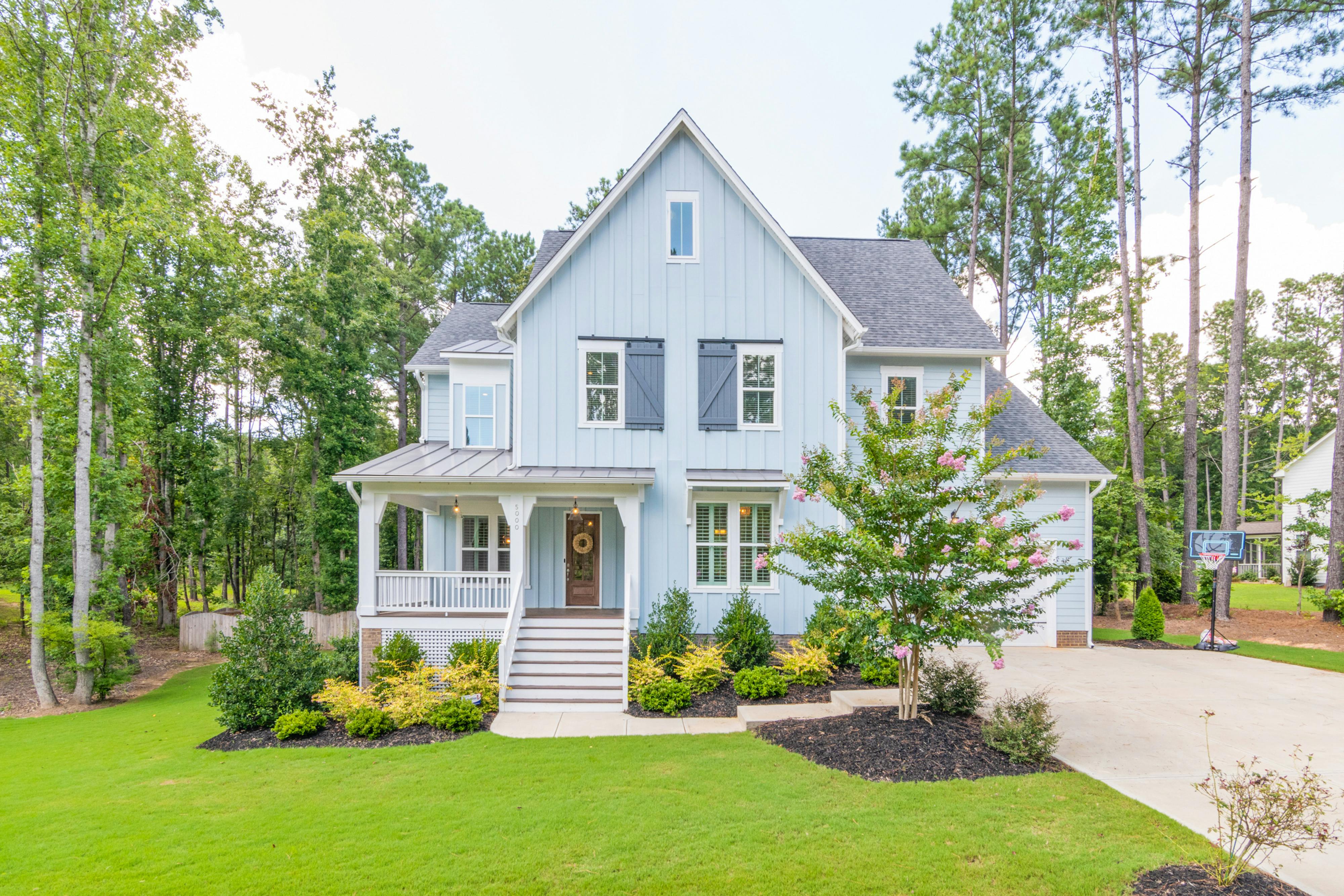
As global awareness of environmental challenges grows, the concept of a ‘home house’ is evolving beyond mere shelter to encompass a responsibility towards the planet. Modern homeowners and builders are increasingly prioritizing sustainable practices, aiming to minimize their ecological footprint throughout the entire lifecycle of a dwelling. This shift is driven by a combination of environmental consciousness, a desire for long-term cost savings, and a growing understanding of how building design and material choices impact both personal well-being and the wider ecosystem.
From the fundamental principles of energy generation to the careful selection of building components and resource management, a holistic approach to environmental stewardship is becoming the hallmark of responsible home construction and upkeep.The integration of sustainable practices into ‘home houses’ is not a monolithic concept but rather a multifaceted strategy involving various design philosophies, material innovations, and operational efficiencies. These efforts are crucial in mitigating the environmental impact of the built environment, which is a significant contributor to greenhouse gas emissions and resource depletion.
By embracing these principles, ‘home houses’ can transition from being resource consumers to becoming more integrated and harmonious parts of their natural surroundings, offering benefits that extend far beyond the property line to contribute to a healthier planet for future generations.
Principles of Passive Solar Design for Energy-Efficient ‘Home Houses’
Passive solar design is a fundamental strategy for creating energy-efficient ‘home houses’ by leveraging the sun’s energy for heating and cooling without the need for active mechanical systems. The core principle is to strategically orient and design a building to maximize solar heat gain in the winter and minimize it in the summer, while also facilitating natural ventilation. This approach relies on several key elements working in concert.
Firstly, building orientation is paramount. In the Northern Hemisphere, south-facing walls are ideal for capturing winter sun, while minimizing east and west-facing windows reduces unwanted heat gain during the hottest parts of the day in summer. Overhangs and awnings are carefully calculated to block high summer sun while allowing lower winter sun to penetrate.Secondly, the selection of building materials plays a crucial role.
Materials with high thermal mass, such as concrete, brick, or stone, are used to absorb solar heat during the day and slowly release it at night, helping to maintain a stable indoor temperature. This stored heat is particularly beneficial during cooler periods. Conversely, in warmer climates, thermal mass can help to absorb excess heat and release it during cooler evenings.
Thirdly, glazing, or the amount and type of windows, is optimized. High-performance windows with low-emissivity coatings and double or triple glazing minimize heat transfer, preventing heat loss in winter and heat gain in summer. The placement and size of windows are carefully considered to balance natural light needs with thermal performance.Finally, natural ventilation is integrated through thoughtful window placement, the use of stack effect (where warm air rises and escapes through high vents, drawing cooler air in from lower openings), and cross-ventilation strategies.
This reduces the reliance on air conditioning. The overall goal of passive solar design is to create a comfortable indoor environment using the least amount of external energy, thereby significantly reducing a ‘home house’s’ operational carbon footprint and energy bills. For instance, a well-designed passive solar home in a temperate climate might achieve 70-90% of its heating needs from the sun, dramatically lowering its reliance on fossil fuels.
Benefits of Using Recycled and Locally Sourced Materials in Building ‘Home Houses’
The incorporation of recycled and locally sourced materials in the construction of ‘home houses’ offers a compelling array of environmental, economic, and social benefits. From an environmental perspective, using recycled materials diverts waste from landfills, reducing the demand for virgin resources and the energy-intensive processes associated with their extraction and processing. For example, reclaimed timber from old buildings can be repurposed for structural elements or finishes, significantly reducing the need to harvest new trees.
Recycled steel, glass, and concrete are also widely available and can be integrated into new construction, lessening the environmental burden.Locally sourced materials further enhance sustainability by reducing transportation distances, which in turn lowers the carbon emissions associated with moving building components. This also supports local economies by creating demand for regional products and industries. Examples include using local stone for foundations or walls, or employing regional timber that has been sustainably harvested.
This not only reduces the ecological impact but also often results in a unique aesthetic that is in harmony with the surrounding landscape.Economically, recycled and local materials can sometimes offer cost savings, especially when transportation costs for distant, conventionally sourced materials are considered. Furthermore, investing in local material suppliers fosters community resilience and economic diversification. Socially, the use of local materials can imbue a ‘home house’ with a sense of place and cultural identity, connecting the inhabitants to the history and character of their region.
The story behind the materials, such as the origin of reclaimed wood or locally quarried stone, can add significant value and meaning to a home. For instance, a home built with bricks from a nearby historic demolition site not only saves resources but also carries a narrative that enriches the living experience.
Water Conservation Strategies in ‘Home Houses’ in Drought-Prone Regions Versus Areas with Abundant Rainfall
Water conservation strategies in ‘home houses’ are tailored to the specific hydrological conditions of their location, leading to distinct approaches in drought-prone regions compared to areas with plentiful rainfall. In drought-prone regions, the primary objective is to minimize water consumption and maximize the use of any available water. This often involves a multi-pronged approach starting with low-flow fixtures, such as toilets, showerheads, and faucets, which significantly reduce indoor water usage.
Rainwater harvesting systems are paramount, with large cisterns collecting and storing precipitation for non-potable uses like irrigation and toilet flushing. Greywater recycling systems, which treat water from showers, sinks, and washing machines for reuse in irrigation or toilet flushing, are also crucial.Outdoor water management in these areas focuses heavily on xeriscaping, which involves using drought-tolerant native plants that require minimal irrigation.
Permeable paving materials are used for driveways and walkways to allow rainwater to infiltrate the ground rather than running off. Smart irrigation systems that adjust watering schedules based on weather data and soil moisture levels are also employed to prevent overwatering. The emphasis is on creating a closed-loop water system as much as possible, reducing reliance on municipal water supplies which are often strained.In contrast, while water conservation is always a responsible practice, ‘home houses’ in areas with abundant rainfall can focus more on efficient management and quality rather than severe restriction.
Rainwater harvesting is still beneficial, but the scale of storage might be smaller, primarily for supplemental irrigation or reducing stormwater runoff. Greywater systems may be implemented, but the urgency might be less pronounced. The focus might shift towards preventing water pollution by managing stormwater runoff effectively. This can involve features like rain gardens and bioswales to filter pollutants before water enters local waterways.
While low-flow fixtures are still recommended for general efficiency, the strict necessity for extreme water-saving measures is often reduced. The goal in these regions is to manage water resources wisely, ensuring that abundance does not lead to waste and that local water bodies are protected from pollution.
Role of Green Roofs and Vertical Gardens in Improving the Ecological Footprint of ‘Home Houses’
Green roofs and vertical gardens are increasingly recognized as vital components in enhancing the ecological footprint of ‘home houses’, transforming otherwise inert surfaces into living, breathing ecosystems. These green infrastructure elements offer a multitude of environmental benefits that contribute to urban biodiversity, improved air and water quality, and enhanced building performance. A green roof, also known as a living roof, is a roof that is partially or completely covered with vegetation and a growing medium, planted over a waterproofing membrane.
This vegetation acts as an insulator, significantly reducing a ‘home house’s’ heating and cooling loads by moderating indoor temperatures. In summer, the plants absorb solar radiation, keeping the building cooler, and in winter, they provide an extra layer of insulation, reducing heat loss.Furthermore, green roofs are highly effective at managing stormwater. The vegetation and growing medium absorb a significant portion of rainfall, reducing the volume and rate of runoff that enters municipal sewer systems.
This helps to mitigate urban flooding and reduces the strain on wastewater treatment facilities. The plants also filter pollutants from the rainwater before it is released. Green roofs also contribute to urban biodiversity by providing habitats for insects, birds, and other small wildlife, which are often scarce in built-up areas. They can help to combat the urban heat island effect by absorbing solar energy and releasing it as water vapor through evapotranspiration, thereby cooling the surrounding environment.Vertical gardens, or living walls, involve growing plants on vertical structures, either on the exterior or interior of a ‘home house’.
Similar to green roofs, they offer significant insulation benefits, reducing energy consumption for heating and cooling. They also improve air quality by absorbing pollutants like carbon dioxide and releasing oxygen. The aesthetic appeal of vertical gardens is undeniable, adding natural beauty and a sense of tranquility to urban environments. They can also help to reduce noise pollution by absorbing sound waves.
Both green roofs and vertical gardens contribute to a more sustainable and resilient built environment, turning ‘home houses’ into active participants in ecological restoration and climate change mitigation. For instance, a building in a dense city center can see its ambient temperature reduced by several degrees due to the presence of extensive green roofs and vertical gardens in its vicinity.
Last Word: Home Houses
Ultimately, the journey through the multifaceted world of home houses reveals a profound truth: these are not merely buildings, but living canvases upon which our lives are painted. From the emotional bedrock they provide to the architectural marvels they represent and the socio-economic currents that shape their accessibility, home houses are intrinsically linked to our well-being and societal progress. As we embrace sustainable practices and innovative designs, the future of home houses promises to be one of enhanced comfort, efficiency, and harmony with the environment, ensuring that the concept of home continues to evolve and enrich lives for generations to come.
Key Questions Answered
What is the average lifespan of a typical home house?
The lifespan of a home house can vary significantly depending on construction quality, materials used, maintenance, and environmental factors. However, well-built homes can last well over 100 years, with some historical structures standing for centuries.
How does the concept of “home house” differ from just a “house”?
While a “house” is a physical structure, a “home house” implies a deeper emotional connection, a sense of belonging, security, and personal identity. It’s where memories are made and life is lived.
Are there any legal implications tied to the term “home house”?
Generally, “home house” is a descriptive term rather than a legal one. Legal terms typically refer to “dwelling,” “residence,” or specific property types like “single-family home.”
What are some common challenges in finding an affordable “home house”?
Common challenges include rising property values, limited inventory, high interest rates, stringent lending requirements, and the cost of renovations for older properties.