Homes mobile homes offer a distinct and increasingly popular housing solution, presenting a fascinating alternative to traditional site-built residences. This exploration delves into the multifaceted world of manufactured housing, uncovering its construction, benefits, purchasing process, and future potential.
We will navigate the fundamental distinctions between site-built homes and manufactured housing, examining their construction methods, lifespans, financing, and regulatory landscapes. Furthermore, the compelling advantages of manufactured housing, from cost-effectiveness and environmental considerations to customization and rapid deployment, will be thoroughly unpacked. The practicalities of acquiring and owning a manufactured home, including essential steps, inspection tips, financing options, and ongoing costs, will be detailed.
Finally, we will peer into the evolving future of manufactured housing, highlighting technological advancements, its role in affordability, community development, and the diverse types available.
Exploring the Fundamental Distinctions Between Traditional Site-Built Homes and Manufactured Housing Options.
Understanding the differences between traditional site-built homes and manufactured housing is crucial for anyone considering a new residence. While both offer shelter, their creation, regulation, and integration into communities vary significantly. This exploration will delve into the core aspects that differentiate these two prevalent housing types, providing a clear picture of what sets them apart.The primary divergence lies in their construction process.
Site-built homes, often referred to as stick-built homes, are constructed piece by piece directly on the buyer’s land. This allows for immense customization and adaptation to the specific terrain and local building codes. Every beam, every nail, and every finishing touch is applied on-site, involving a complex orchestration of various tradespeople, including carpenters, plumbers, electricians, and masons. This method is inherently flexible, enabling architects and builders to respond to unique design challenges or owner preferences in real-time.
The materials are typically sourced locally and delivered to the building site, where they are assembled according to detailed blueprints.Manufactured homes, conversely, are built in a controlled factory environment. This assembly-line approach allows for greater efficiency, precision, and often, cost savings. The entire home, or sections of it, are constructed indoors, protected from weather delays and environmental factors that can impact on-site construction.
Once completed, the modules are transported to the buyer’s property, where they are assembled and connected. This method adheres to a federal standard, the U.S. Department of Housing and Urban Development (HUD) Code, rather than local building codes. This standardization ensures a baseline level of safety and quality across all manufactured homes, regardless of where they are built or located.
The materials used in manufactured homes are also often optimized for factory production and transportation, though they are designed to meet stringent performance and durability standards.
Construction Methods, Materials, and Regulatory Oversight
The construction methodologies employed for site-built and manufactured homes represent a fundamental divergence in how dwellings are brought to life. Site-built homes are characterized by their on-location assembly, where raw materials are transformed into a finished structure directly on the foundation. This process involves a sequential building phase, beginning with site preparation, followed by the laying of the foundation, framing, roofing, installation of utilities, insulation, interior finishing, and exterior cladding.
The materials are typically conventional building supplies like lumber, concrete, bricks, drywall, and asphalt shingles, all chosen for their suitability for on-site handling and installation. The regulatory oversight for site-built homes is primarily governed by local building codes, which vary significantly from municipality to municipality. These codes dictate everything from structural integrity and electrical wiring to plumbing and fire safety, ensuring that homes meet community-specific safety and habitability standards.
Building permits are required at various stages, and inspections are conducted by local building officials to ensure compliance. This localized control allows for adaptation to specific regional climate conditions and architectural preferences.Manufactured homes, on the other hand, are built in a factory setting, a process that introduces significant differences in method, materials, and regulation. The factory environment allows for a more controlled and efficient construction process, often utilizing advanced manufacturing techniques and assembly lines.
Materials are selected for their durability, transportability, and suitability for factory assembly. This can include engineered wood products, steel framing, and advanced insulation systems, all designed to withstand the rigors of transportation and to meet specific performance criteria. The entire structure is built to a single, national standard: the HUD Code for Manufactured Home Construction and Safety. This federal code sets minimum requirements for design, construction, strength, durability, and energy efficiency.
Unlike site-built homes, manufactured homes are not subject to local building codes; instead, they are inspected by state-approved agencies or the manufacturer’s internal quality control, ensuring compliance with the HUD Code. This national standard provides a consistent level of quality and safety across all manufactured homes produced in the United States. The factory-built nature also means that materials are often pre-cut, pre-fabricated, and assembled with a high degree of precision, leading to less waste and a more consistent build quality.
Typical Lifespan and Maintenance Requirements
The lifespan and maintenance requirements of housing types are significantly influenced by their construction and the materials used. Traditional site-built homes, when properly constructed and maintained, can have an exceptionally long lifespan, often exceeding 100 years. The robust foundation, typically a concrete slab, basement, or crawl space, provides a stable and durable base. Exterior components like brick, stone, or high-quality siding, combined with well-maintained roofing systems, can endure decades of weather exposure.
Interior systems, such as plumbing, electrical wiring, and HVAC, can be repaired or replaced as needed, contributing to the home’s longevity. However, the lifespan is heavily dependent on the quality of the initial construction and the owner’s commitment to regular upkeep. Neglecting maintenance, such as roof repairs, gutter cleaning, or sealing exterior surfaces, can lead to premature deterioration and costly repairs.
Issues like water intrusion, pest infestations, or structural settling can significantly shorten a home’s effective lifespan if not addressed promptly. The durability of site-built homes is often tied to the materials used and the skilled labor involved in their installation and repair.Manufactured homes, while built to rigorous HUD standards, generally have a different lifespan and maintenance profile. Their typical lifespan is often cited as 30 to 50 years, though with diligent care and occasional upgrades, they can last longer.
The foundation for a manufactured home can vary, from concrete piers to a full basement or a permanent foundation, and the type of foundation significantly impacts its longevity and durability. The exterior skirting and siding are designed for durability, but may require more frequent cleaning and occasional repair or replacement compared to some site-built materials. Interior systems, while built to high standards, may have a slightly shorter replacement cycle due to their factory-integrated nature.
However, many components are standardized and readily available for replacement. The key to maximizing the lifespan of a manufactured home lies in consistent, proactive maintenance. This includes regular inspections of the roof, seals, and exterior, as well as maintaining the interior plumbing and electrical systems. Preventing water damage and ensuring proper ventilation are critical. While some repairs might be more specialized due to factory construction, the overall maintenance is comparable to that of a site-built home, focusing on preserving the integrity of the structure and its systems.
Common Financing Avenues and Ownership Models
The pathways to financing and the models of ownership for site-built homes and manufactured housing present distinct characteristics that influence accessibility and consumer choice. For traditional site-built homes, financing is predominantly secured through conventional mortgages. These mortgages are offered by banks, credit unions, and mortgage lenders, and they are typically backed by government-sponsored enterprises like Fannie Mae and Freddie Mac.
The ownership model is straightforward: the buyer purchases the home and the land it sits on, owning both outright after the mortgage is paid off. This integrated ownership provides a sense of permanence and allows for significant customization of both the dwelling and the surrounding property. The loan-to-value ratios, interest rates, and repayment terms are subject to the borrower’s creditworthiness, income, and the property’s appraisal value.
Refinancing and home equity loans are also common avenues for homeowners to access capital based on their property’s equity.Manufactured homes, particularly those placed on leased land in a community, often have different financing options. When a manufactured home is purchased and permanently affixed to land owned by the homeowner, it can be financed with a traditional mortgage, similar to a site-built home.
However, if the manufactured home is situated on leased land, financing typically falls under chattel loans. These are personal property loans, often with higher interest rates and shorter repayment terms than mortgages. Lenders for chattel loans may include specialized finance companies or the manufacturers themselves. The ownership model in this scenario involves owning the home itself but not the land beneath it, which is leased from a community owner.
This model can make homeownership more accessible by reducing the upfront cost associated with land purchase. It’s important to note that the depreciation of the home as personal property can be a factor in chattel financing, unlike real property which can appreciate. Additionally, some manufactured homes qualify for FHA or VA loans when they are installed on a permanent foundation and meet specific requirements, offering more favorable financing terms for eligible buyers.
Comparative Overview of Zoning Regulations and Land-Use Considerations
Zoning regulations and land-use considerations play a pivotal role in determining where and how both site-built and manufactured homes can be established, presenting unique challenges and opportunities for each housing type. Traditional site-built homes are generally integrated into residential zones with fewer restrictions on their placement, provided they meet local building codes and zoning ordinances for single-family dwellings. These regulations often dictate lot size, setbacks from property lines, building height, and architectural styles, aiming to maintain neighborhood aesthetics and property values.
The flexibility in placement means that site-built homes can be constructed on a vast array of privately owned parcels of land, offering homeowners significant control over their living environment. Challenges can arise in areas with strict historical preservation guidelines or in densely populated urban environments where land availability and cost are significant barriers. However, the widespread acceptance and established legal framework for site-built homes mean that zoning typically facilitates their development.Manufactured homes, conversely, often face more complex zoning and land-use landscapes.
Historically, some municipalities have had restrictive zoning ordinances that limit where manufactured homes can be placed, often confining them to designated manufactured home communities or specific zones. These restrictions were sometimes based on outdated perceptions of quality or durability. However, there is a growing trend towards more inclusive zoning that recognizes manufactured homes as a viable and quality housing option.
When a manufactured home is placed on private land and permanently affixed to a foundation, it is increasingly being treated similarly to site-built homes under zoning laws, especially if it meets certain standards for appearance and durability. The primary distinction arises when manufactured homes are located in manufactured home parks or communities, where the land is leased. In these cases, the community’s zoning and land-use plan govern the placement and appearance of the homes.
Challenges for manufactured homes can include navigating restrictive covenants within communities or facing opposition in areas with stringent aesthetic requirements. Opportunities lie in the increasing recognition of manufactured housing as an affordable and efficient solution, leading to more supportive zoning policies and the development of well-designed communities that integrate manufactured homes seamlessly into broader land-use plans.
Unpacking the Diverse Array of Benefits Offered by Manufactured Housing for Modern Living.
Manufactured housing, often referred to as mobile homes, presents a compelling suite of advantages that resonate with the demands of contemporary lifestyles. Beyond their initial perception, these homes have evolved significantly, offering sophisticated solutions for affordability, sustainability, personalization, and speed of acquisition. As we delve into the specific benefits, it becomes clear why manufactured housing is a robust and increasingly popular choice for a wide spectrum of homeowners.
This segment will explore the multifaceted advantages that make manufactured homes an attractive and practical housing solution.
Cost-Effectiveness Compared to Conventional Housing.
The economic advantage of manufactured housing is arguably its most significant draw, providing a pathway to homeownership that is substantially more accessible than traditional site-built homes. This cost-effectiveness manifests across multiple dimensions, beginning with the initial purchase price. On average, manufactured homes come with a lower price tag per square foot compared to their site-built counterparts. This difference is largely attributable to the efficiencies of factory-based construction.
Building in a controlled factory environment allows for bulk purchasing of materials, optimized labor, and reduced waste, all of which translate into savings passed on to the consumer. For instance, a brand-new, spacious manufactured home can often be acquired for a fraction of the cost of a similarly sized conventional home in the same region.Beyond the sticker price, the long-term value proposition of manufactured housing is also noteworthy.
While depreciation was once a concern, modern manufactured homes, particularly those built to the stringent HUD code and placed on permanent foundations, are increasingly recognized for their durable construction and potential for appreciation. When financed correctly and maintained properly, these homes can serve as sound investments, building equity over time just like traditional homes. Furthermore, the energy efficiency of many newer manufactured homes, often incorporating advanced insulation and efficient appliances, can lead to lower utility bills, contributing to overall long-term savings for homeowners.
The reduced need for extensive land preparation and foundation work also slashes upfront costs, making the entire homeownership journey more financially manageable. This comprehensive cost advantage makes manufactured housing an excellent option for first-time homebuyers, retirees, and anyone seeking to maximize their housing budget without compromising on quality or comfort.
Environmental Advantages of Manufactured Housing.
The production and placement of manufactured housing inherently offer several environmental advantages, aligning with a growing demand for sustainable living solutions. One of the most significant benefits is the reduction of construction waste. Factory-built homes are constructed in a controlled environment where materials are precisely cut and utilized, leading to a dramatic decrease in discarded materials compared to on-site construction.
Studies have shown that factory production can generate up to 90% less waste than traditional building methods. This minimizes the burden on landfills and conserves valuable natural resources. The efficient use of materials is a core principle in manufacturing, ensuring that every piece of lumber, every sheet of drywall, and every component is accounted for and used optimally.Resource utilization is another area where manufactured housing shines.
The factory setting allows for streamlined processes and the potential for recycling and repurposing of scrap materials within the production facility itself. Furthermore, many manufacturers are increasingly incorporating eco-friendly materials and building practices into their designs. This can include using sustainably sourced lumber, low-VOC (volatile organic compound) paints and finishes for healthier indoor air quality, and energy-efficient windows and appliances.
The closed-loop system of a factory also means that water usage during construction is significantly reduced, and the risk of environmental contamination from site-specific activities is minimized. When it comes to placement, manufactured homes often require less extensive site disturbance than conventional homes. This means less disruption to the local ecosystem, preserving existing vegetation and natural habitats. The efficient design and construction also contribute to lower energy consumption during the home’s lifespan, further reducing its environmental footprint.
Potential for Customization and Design Flexibility.
Contrary to outdated perceptions, manufactured housing offers a remarkable degree of customization and design flexibility, allowing homeowners to create living spaces that perfectly align with their individual needs, tastes, and lifestyles. While the core structure is built in a factory, the interior and exterior finishes, layouts, and features can be tailored to a surprising extent. This flexibility begins with the selection of floor plans.
Manufacturers offer a wide array of pre-designed layouts, ranging from compact, efficient single-section homes to expansive multi-section residences with multiple bedrooms and bathrooms. Homebuyers can often choose from various configurations, adapting room sizes, the placement of windows, and the flow between living areas to suit their specific requirements.Beyond the fundamental layout, the customization extends to a vast selection of interior and exterior finishes.
Homeowners can personalize everything from the flooring materials, cabinetry styles, countertop surfaces, and paint colors to the types of fixtures and appliances. This allows for the creation of a truly unique aesthetic, whether one prefers a modern, minimalist look, a cozy, rustic feel, or a classic, traditional ambiance. Exterior customization options can include a variety of siding materials, roofing styles, window designs, and landscaping choices, enabling the home to blend seamlessly with its surroundings or stand out as a distinctive architectural statement.
Furthermore, specialized features can often be incorporated, such as accessibility modifications for individuals with mobility challenges, built-in storage solutions, or dedicated home office spaces. This adaptability ensures that manufactured homes are not one-size-fits-all but can be precisely engineered to meet the diverse and evolving needs of their occupants.
Speed and Efficiency of the Construction Process.
The construction process for manufactured homes is characterized by its exceptional speed and efficiency, offering a significant advantage for those eager to occupy their new homes without lengthy delays. The fundamental reason for this accelerated timeline lies in the factory-controlled environment. Unlike site-built homes, which are subject to weather delays, material shortages on-site, and the coordination of multiple trades working outdoors, manufactured homes are built indoors, protected from the elements.
This allows for continuous construction throughout the year, regardless of external weather conditions. The assembly line approach used in factories also streamlines the building process, with specialized teams working on specific components simultaneously.This systematic and organized production method significantly reduces the overall construction time. While a traditional site-built home can take many months, and sometimes over a year, from groundbreaking to completion, a manufactured home can typically be built and ready for transport to its final site in a matter of weeks.
Once the home arrives at its destination and is set up on its foundation, the final connection of utilities and any on-site finishing touches can often be completed within a few days or weeks. This rapid turnaround means that homeowners can transition into their new residences much sooner, avoiding prolonged rental periods or the uncertainty of extended construction timelines. This speed is particularly beneficial for individuals or families facing immediate housing needs, such as relocation for employment or life events, allowing them to settle into a comfortable and permanent home with remarkable efficiency.
Navigating the Process of Purchasing and Owning a Manufactured Home with Informed Decision-Making

Embarking on the journey to acquire a manufactured home is an exciting prospect, offering a blend of affordability, customization, and modern living. To ensure a smooth and successful experience, a structured approach to research, selection, inspection, financing, and understanding ongoing costs is paramount. This guide aims to equip potential buyers with the knowledge needed to make informed decisions at every stage.
Essential Steps in Researching and Selecting a Suitable Manufactured Home
The initial phase of purchasing a manufactured home involves a thorough process of self-assessment and market exploration. Begin by clearly defining your needs and priorities. Consider the size of your household, lifestyle, desired number of bedrooms and bathrooms, and essential features like kitchen layout, storage space, and any specific accessibility requirements. Think about your budget not just for the home itself, but also for the land, if you plan to purchase it, or for lot rent if you intend to place it in a community.
Researching different manufacturers is crucial. Look into their reputation, the quality of materials they use, their construction standards, and the warranties they offer. Visiting model homes, whether at a retailer’s lot or a manufacturer’s facility, provides a tangible experience of the space, layout, and finishes. Pay attention to floor plans and how they might suit your daily routines. Many manufacturers offer customization options, allowing you to personalize the home to your tastes and needs.
Understanding the available models and their respective price points will help narrow down your choices. It’s also beneficial to read reviews from existing homeowners and consult with reputable manufactured home retailers who can guide you through the selection process and answer your questions about different brands and their offerings.
Critical Aspects of Inspecting a Manufactured Home
Whether purchasing a brand-new or pre-owned manufactured home, a comprehensive inspection is a non-negotiable step to ensure structural integrity and identify any potential issues before finalizing the purchase. For new homes, the inspection should focus on the quality of construction, ensuring that all systems are installed correctly and functioning as expected. This includes checking for proper sealing around windows and doors to prevent drafts and moisture intrusion, verifying the stability of flooring and walls, and ensuring that plumbing and electrical systems are up to code and leak-free.
Examine the exterior for any signs of damage to the siding, roof, or foundation. Inside, inspect cabinetry, countertops, and appliances for any defects. For pre-owned homes, the inspection becomes even more critical. Beyond the points mentioned for new homes, pay close attention to signs of wear and tear, potential water damage (look for stains, warped materials, or musty odors), the condition of the HVAC system, and the age and functionality of major appliances.
Inspect the plumbing for leaks or low water pressure, and check the electrical panel for any outdated or unsafe wiring. A professional home inspector experienced with manufactured homes can be invaluable, providing an objective assessment and flagging issues that a layperson might overlook.
Various Financing Options and Loan Programs for Manufactured Homes
Securing financing for a manufactured home involves understanding a distinct set of options compared to traditional site-built homes. The most common financing methods are chattel loans and mortgages. A chattel loan, often referred to as a personal property loan, is secured by the home itself as personal property, not by the land it sits on. This is typically used when the home is placed in a manufactured home community or on leased land.
These loans often have higher interest rates and shorter repayment terms than traditional mortgages. On the other hand, if you own the land on which the manufactured home is permanently affixed, you may qualify for a traditional mortgage. This process is similar to financing a site-built home, with the loan secured by both the home and the land. Lenders may have specific requirements for permanent foundation installation and the home’s classification as real property.
Additionally, there are specialized loan programs and government-backed options available, such as FHA (Federal Housing Administration) loans and VA (Department of Veterans Affairs) loans, which can offer more favorable terms, lower down payments, and competitive interest rates for eligible borrowers. It’s advisable to shop around with various lenders, including banks, credit unions, and specialized manufactured home finance companies, to compare rates, terms, and fees.
Ongoing Costs of Owning a Manufactured Home
Beyond the initial purchase price, understanding the ongoing costs associated with owning a manufactured home is essential for responsible budgeting. These costs can vary significantly based on location, the specific community (if applicable), and the age and condition of the home.
| Cost Category | Typical Range (Low) | Typical Range (High) | Notes |
|---|---|---|---|
| Lot Rent | $300/month | $800/month | Varies by community amenities and location. Includes use of land, common areas, and sometimes utilities. |
| Property Taxes | $200/year | $700/year | Dependent on home value and local tax rates. If the home is considered personal property, taxes are assessed differently. |
| Insurance | $400/year | $1000/year | Covers structure and contents, may differ from site-built insurance. Often required by lenders. |
| Maintenance | $500/year | $2000/year | Includes routine upkeep (e.g., cleaning gutters, sealing) and potential repairs to systems, appliances, or structure. |
Understanding the Evolving Landscape and Future Potential of Manufactured Housing
The realm of manufactured housing is undergoing a significant transformation, moving far beyond its historical perceptions. This evolution is driven by a confluence of technological advancements, a growing demand for sustainable and affordable living solutions, and an increasing recognition of its potential to enrich communities. As we look towards the future, manufactured housing is poised to play an even more pivotal role in shaping how we live, offering innovative, efficient, and desirable housing options for a wide spectrum of individuals and families.
Technological Advancements and Innovative Materials in Modern Manufactured Home Construction
Modern manufactured housing is increasingly leveraging cutting-edge technology and innovative materials to significantly enhance sustainability and performance, pushing the boundaries of what was once considered standard. These advancements are not merely cosmetic; they directly contribute to improved energy efficiency, greater durability, and a reduced environmental footprint. For instance, the integration of advanced framing techniques, such as advanced wall systems that reduce thermal bridging and increase insulation, is becoming commonplace.
These systems often utilize engineered wood products and advanced sheathing materials that offer superior structural integrity and thermal resistance compared to traditional lumber.The use of high-performance windows and doors, featuring triple-pane glazing and low-emissivity coatings, is another key innovation. These not only minimize heat loss in colder climates and heat gain in warmer ones but also improve sound insulation, contributing to a more comfortable living environment.
Furthermore, many manufacturers are now incorporating smart home technologies as standard or optional features. This includes integrated systems for climate control, lighting, security, and energy monitoring, allowing homeowners to optimize their energy consumption and enhance convenience.In terms of materials, there’s a noticeable shift towards more sustainable and durable options. Recycled and reclaimed materials are being incorporated into flooring, countertops, and insulation.
Advanced composite materials are also finding their way into exterior siding and roofing, offering enhanced resistance to weather, fire, and pests, while also requiring less maintenance over time. The development of more efficient HVAC systems, including heat pumps and energy recovery ventilators (ERVs), further contributes to the homes’ environmental performance and reduces operational costs for residents. Some forward-thinking manufacturers are even exploring the integration of renewable energy sources, such as solar panels, as part of the home’s design and construction.
This commitment to innovation ensures that manufactured homes are not only affordable but also high-performing, eco-friendly, and built to last, aligning with the growing demand for sustainable living solutions.
The Role of Manufactured Housing in Addressing Housing Affordability Challenges
Manufactured housing stands as a critical and increasingly vital component in the ongoing effort to tackle the pervasive housing affordability crisis, offering practical and accessible solutions for a diverse range of populations. The inherent cost efficiencies in its factory-built construction process, where materials are purchased in bulk and construction occurs in a controlled environment free from weather delays and with optimized labor, translate directly into lower purchase prices for consumers.
This makes homeownership attainable for individuals and families who might otherwise be priced out of the traditional housing market.For young families starting out, seniors on fixed incomes, essential workers, and individuals in lower to middle-income brackets, manufactured homes provide a tangible pathway to stable housing and wealth building. The reduced upfront cost significantly lowers the barrier to entry, allowing more people to secure a home without the burden of exorbitant mortgages or down payments.
Beyond the initial purchase price, the energy-efficient designs and materials commonly used in modern manufactured homes also lead to lower utility bills, further enhancing affordability over the long term. This consistent reduction in monthly expenses can free up household income for other essential needs or savings.Moreover, manufactured housing offers flexibility in terms of location and size. Homes can be sited on private land, in dedicated manufactured housing communities, or even integrated into mixed-income developments, catering to varied lifestyle preferences and budgetary constraints.
The variety of floor plans and customization options available also means that these homes can meet the specific needs of different household structures, from single individuals to multi-generational families. As urban and suburban areas continue to experience rising housing costs, manufactured housing provides a crucial alternative, enabling people to live closer to employment centers and community resources without sacrificing financial stability.
The ongoing innovation in design and construction also means that these homes are increasingly attractive and durable, dispelling outdated stereotypes and positioning them as a legitimate and desirable housing solution for a broad spectrum of society.
The Growing Trend of Manufactured Housing Communities Offering Amenities and Lifestyles
A significant and exciting development in the manufactured housing sector is the burgeoning trend of communities that offer a rich array of amenities and lifestyles, effectively rivaling and often surpassing those found in traditional neighborhoods, thereby fostering a strong sense of belonging among residents. These modern communities are deliberately designed to be more than just places to live; they are envisioned as vibrant hubs of social interaction, recreation, and convenience, catering to diverse interests and age groups.Many of these communities feature thoughtfully planned common areas that include beautifully landscaped parks, walking and biking trails, and recreational facilities such as swimming pools, fitness centers, and clubhouses.
These shared spaces are intentionally created to encourage neighborly interaction and provide ample opportunities for residents to engage in activities they enjoy, whether it’s a morning jog, an afternoon swim, or an evening gathering with friends. The presence of dedicated community centers often hosts a variety of organized events, from social mixers and holiday celebrations to educational workshops and hobby groups, actively cultivating a strong social fabric.For active adult communities, amenities might include golf courses, pickleball courts, and dedicated spaces for arts and crafts, while family-oriented communities often boast playgrounds, splash pads, and sports fields.
The emphasis is on creating an environment where residents can easily connect with others who share similar interests, leading to the formation of lasting friendships and a supportive network. Furthermore, the management of these communities often plays an active role in organizing events and maintaining the shared spaces, ensuring a high quality of life and a consistent sense of community engagement.
This focus on lifestyle and shared experiences transforms manufactured housing communities from mere collections of homes into cohesive and thriving neighborhoods, offering a desirable and enriching living experience that appeals to a wide range of homeowners seeking connection and community.
Conceptual Framework for Integrating Manufactured Homes into Larger Community Development Projects
Integrating manufactured homes into larger community development projects presents a powerful opportunity to foster diverse housing options, enhance affordability, and create more inclusive and sustainable neighborhoods. A conceptual framework for this integration involves strategic planning that leverages the inherent advantages of manufactured housing while ensuring seamless aesthetic and functional alignment with the broader community context.The first step in this framework involves site selection and zoning considerations.
Local governments and developers must proactively update zoning ordinances to permit and encourage the placement of manufactured homes in a variety of settings, including within mixed-use developments and traditional subdivisions. This requires a shift in perception, recognizing modern manufactured homes as high-quality, aesthetically pleasing dwellings that can complement, rather than detract from, existing neighborhoods. Developers can identify parcels of land suitable for manufactured home placement, ensuring adequate infrastructure, including utilities, road access, and public services, is readily available or can be efficiently installed.Next, the framework emphasizes design integration and aesthetic compatibility.
This involves working with manufacturers and architects to ensure that the design of manufactured homes aligns with the architectural character and streetscape of the surrounding community. This can be achieved through various strategies, such as offering a range of exterior finishes, roof styles, and landscaping options that allow manufactured homes to blend harmoniously with site-built homes. Furthermore, thoughtful site planning within the development can dictate lot sizes, home orientations, and the placement of garages and driveways to create a cohesive visual appeal.A crucial element is infrastructure and utility coordination.
Ensuring that manufactured homes are connected to robust utility systems, including water, sewer, electricity, and telecommunications, is paramount. This may involve coordinating with utility providers to extend services to new manufactured home sections or to upgrade existing infrastructure. The installation of underground utilities, for example, can significantly enhance the aesthetic appeal and perceived quality of manufactured home neighborhoods.Finally, the framework highlights financing and ownership models.
To facilitate integration, accessible financing options for both the homes and the land are essential. This can include traditional mortgage products for homes placed on owned land or innovative financing solutions for homes sited in planned communities. Exploring lease-to-own models or community land trusts can further enhance affordability and provide diverse ownership pathways. By adopting this comprehensive framework, developers can successfully integrate manufactured housing into larger community projects, thereby expanding housing choices, promoting economic diversity, and creating more vibrant and equitable living environments for all residents.
Differentiating Between Various Types of Manufactured Housing and Their Specific Applications
Understanding the nuances between different classifications of manufactured homes is crucial for making an informed choice that aligns with individual needs and preferences. This section delves into the distinct characteristics of single-section, double-section, and multi-section homes, explores their specialized applications, examines the governing construction standards, and illuminates the interior and exterior design possibilities that make these homes versatile and appealing.
Single-Section, Double-Section, and Multi-Section Manufactured Homes
Manufactured homes are broadly categorized by their construction and assembly, primarily based on the number of sections transported from the factory to the home site. This classification directly influences the size, design flexibility, and potential applications of the home. Single-section homes, often referred to as “mobile homes” in older terminology, are built on a single chassis and are the most compact option.
They typically range in width from 10 to 20 feet and in length from 40 to 70 feet, offering a straightforward and often more budget-friendly housing solution. Their design possibilities, while more limited than larger models, can still include efficient layouts with multiple bedrooms and bathrooms, making them suitable for individuals, couples, or small families.Double-section manufactured homes are constructed in two separate halves, or sections, at the factory and are then joined together on-site to create a larger, more spacious dwelling.
These homes offer a significant increase in living space, with widths often ranging from 20 to 30 feet and lengths comparable to single-section homes, or even longer. The ability to combine two sections allows for more elaborate floor plans, including larger living areas, multiple distinct bedrooms, and often more extensive kitchen and dining spaces. This format bridges the gap between smaller manufactured homes and traditional site-built houses in terms of square footage and design complexity.Multi-section manufactured homes, typically comprising three or more factory-built sections, represent the largest and most customizable category.
These homes can achieve expansive square footage, rivaling or exceeding many traditional homes, and offer the greatest design freedom. With three, four, or even more sections, architects and designers can create intricate layouts, including multiple living areas, specialized rooms like home offices or media rooms, and luxurious master suites. The modular nature of multi-section homes allows for a high degree of personalization, accommodating larger families, multi-generational living, or those who desire ample space and sophisticated design.
The transportation and on-site assembly process for multi-section homes is more complex due to their size and weight, often requiring specialized equipment and more extensive site preparation.
Specialized Applications of Manufactured Housing
Manufactured housing has evolved far beyond its initial perception as solely a low-cost housing alternative. Its adaptability has led to a diverse range of specialized applications catering to various societal and individual needs. One prominent application is as Accessory Dwelling Units (ADUs), often referred to as “in-law suites” or “guest houses.” These smaller, self-contained units are designed to be placed on the property of an existing single-family home, providing independent living quarters for elderly relatives, adult children, or as rental income opportunities.
ADUs can range from compact single-section models to slightly larger double-section designs, offering a cost-effective way to increase housing density and provide flexible living arrangements without the extensive costs associated with traditional construction.Another significant application is in providing temporary housing solutions. In the aftermath of natural disasters, manufactured homes have proven invaluable for rapidly deploying housing to displaced populations. Their factory-built nature allows for quick production and assembly, offering a dignified and stable shelter solution during recovery periods.
Similarly, they are frequently used for temporary housing in remote work sites, such as construction projects or mining operations, providing essential accommodation for workers. These temporary units are often designed for durability and ease of transport, ensuring they can serve their purpose efficiently and be relocated when necessary.Furthermore, manufactured housing plays a critical role in addressing workforce housing needs. In areas experiencing rapid economic growth or with high housing costs, businesses often utilize manufactured homes to provide affordable and accessible housing for their employees, particularly in sectors like agriculture, hospitality, and healthcare.
These homes can be deployed in communities or on-site to attract and retain a stable workforce. The ability to construct these homes in a controlled factory environment ensures consistent quality and adherence to building codes, making them a reliable option for employers looking to support their employees’ housing needs. The diversity in size and design allows for the creation of communities of manufactured homes that offer comfortable and functional living spaces for a variety of household sizes and needs, contributing to the economic vitality of regions.
Construction Standards and Regulatory Frameworks, Homes mobile homes
The construction standards and regulatory frameworks governing manufactured housing are designed to ensure safety, quality, and durability, differentiating them from other housing types. The most prominent standard is the HUD Code, established by the U.S. Department of Housing and Urban Development. This is a federal standard that preempts all state and local building codes for manufactured homes. Homes built to the HUD Code are constructed in a factory under controlled conditions and are inspected at various stages of production to ensure compliance with stringent safety and construction requirements.
This includes standards for electrical, plumbing, and heating systems, as well as structural integrity, fire safety, and energy efficiency. Every HUD-code manufactured home is identified by a red certification label affixed to the exterior of each transportable section, signifying its compliance with these federal regulations.Beyond the HUD Code, other classifications of manufactured housing might exist, though they are less common and often fall under different regulatory umbrellas.
For instance, modular homes, while also factory-built, are constructed to the same state and local building codes as site-built homes. They are typically built in larger modules that are transported to the site and assembled. While they share the efficiency of factory construction, their regulatory framework is distinct from HUD-code manufactured homes. It’s important to note that the term “mobile home” is often used colloquially to refer to older manufactured homes built before the HUD Code was implemented in 1976, which were subject to less stringent standards.
Modern manufactured homes are built to the robust HUD Code, ensuring a high level of safety and quality. The regulatory oversight of the HUD Code provides a consistent and reliable baseline for the construction of these homes, offering consumers peace of mind regarding their safety and structural integrity. This standardization is a key factor in the growing acceptance and appeal of manufactured housing.
Common Floor Plan Layouts and Interior Design Features
Contemporary manufactured homes offer a surprising array of sophisticated floor plan layouts and interior design features, moving far beyond the simplistic designs of the past. The goal is to create living spaces that are not only functional but also aesthetically pleasing and comfortable, catering to modern lifestyles. Common layouts often prioritize open-concept living areas, seamlessly connecting the kitchen, dining, and living rooms to foster a sense of spaciousness and encourage social interaction.
For example, a popular layout might feature a large, central island in the kitchen that doubles as a breakfast bar, overlooking a generously sized living room bathed in natural light. Bedrooms are typically arranged to provide privacy, with master suites often featuring en-suite bathrooms and walk-in closets.Kitchens in modern manufactured homes are designed for both efficiency and style. Expect to find ample cabinetry, often in contemporary finishes like shaker-style doors or sleek, minimalist designs.
Countertops can range from durable laminate to elegant quartz or granite, providing both beauty and resilience. Appliances are typically full-sized and energy-efficient, with options for stainless steel finishes to enhance the modern aesthetic. Bathrooms often mimic the sophistication of kitchens, featuring well-appointed vanities, spacious shower stalls with attractive tile surrounds, and modern fixtures. Many floor plans incorporate a second bathroom accessible from the main living area, serving guests and additional bedrooms.Interior finishes have also seen a significant upgrade.
Flooring options commonly include durable and attractive materials such as luxury vinyl plank (LVP), engineered hardwood, or high-quality carpeting. Walls are typically finished with drywall, painted in a range of neutral or accent colors to suit personal taste. Lighting is a key element, with recessed lighting in living areas and kitchens, complemented by stylish pendant lights or chandeliers. Energy-efficient windows are standard, allowing for abundant natural light while minimizing heat transfer, contributing to both comfort and lower utility bills.
Built-in features like entertainment centers, shelving units, and decorative molding add a touch of customizability and enhance the overall living experience. The thoughtful integration of these elements creates interiors that are both practical and inviting, making manufactured homes desirable living environments.
Aesthetic Potential of Manufactured Homes
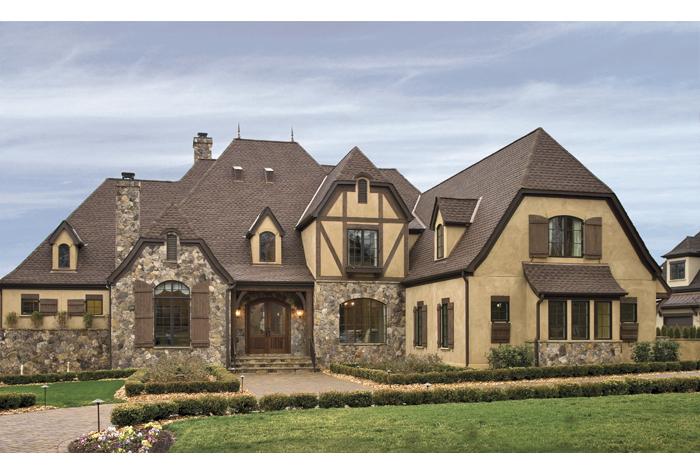
The aesthetic potential of manufactured homes is vast, offering a wide spectrum of exterior finishes, roof styles, and window designs that contribute significantly to curb appeal and personalization. Far from being uniform boxes, these homes can be customized to reflect a variety of architectural styles and homeowner preferences. Imagine a charming, well-appointed manufactured home that immediately captures the eye. Its exterior might be clad in natural wood siding, perhaps a warm cedar or a low-maintenance engineered wood, offering a timeless and inviting look.
This siding could be complemented by stone or brick accents around the foundation or on a prominent feature like a welcoming front porch.The roofline plays a crucial role in the overall aesthetic. A gently sloping roofline, perhaps a classic gable or a modern hip roof, adorned with attractive architectural shingles in a deep charcoal, rich brown, or earthy red, provides a sophisticated finish.
Dormer windows or decorative gables can add visual interest and character, enhancing the home’s silhouette. The windows themselves are a key design element. Large, energy-efficient windows, such as double- or triple-paned units with low-E coatings, are not only functional but also contribute to the home’s visual appeal. They can be designed in various shapes and configurations, including expansive picture windows that frame scenic views, traditional double-hung windows, or stylish casement windows that open outward.
Mullions or decorative grilles can be added to windows to further enhance their architectural style, perhaps mimicking the look of colonial or craftsman designs.The entrance to the home is equally important. A welcoming front porch, perhaps a covered porch with sturdy columns and a railing, provides a perfect spot for relaxing outdoors and creates an inviting entry. The front door itself can be a statement piece, available in a variety of materials, colors, and with decorative glass inserts.
Exterior lighting fixtures, such as sconces or hanging lanterns, add ambiance and security, further enhancing the home’s curb appeal as dusk settles. Additional exterior features like decorative shutters, unique color palettes, and landscaping can all be integrated to create a truly personalized and attractive dwelling that stands out in any neighborhood. The ability to select from such a wide range of exterior elements ensures that manufactured homes can achieve a high level of visual appeal and blend seamlessly with their surroundings, or make a distinctive statement of their own.
Wrap-Up
In conclusion, the realm of homes mobile homes presents a dynamic and evolving housing sector with significant appeal. From understanding the nuanced differences in construction and regulation to appreciating the substantial benefits of affordability, speed, and customization, manufactured housing stands as a viable and attractive option for many. The process of purchasing and owning one is becoming increasingly streamlined and transparent, supported by a growing array of financing and community-based solutions.
As technology advances and its role in addressing housing needs expands, manufactured housing is poised to play an even more integral part in shaping our communities and providing accessible, efficient, and desirable living spaces for a diverse range of individuals and families.
Question Bank: Homes Mobile Homes
What is the primary difference between a mobile home and a manufactured home?
While often used interchangeably, a mobile home typically refers to housing built before June 15, 1976, when federal safety standards were enacted. A manufactured home is built after this date and must comply with the HUD Code, a national standard for construction, safety, and durability.
Are manufactured homes considered real estate?
Manufactured homes can be considered real estate if they are permanently affixed to land owned by the homeowner. If the home is placed on leased land, it is typically considered personal property, similar to a vehicle.
What are the typical lifespan expectations for a manufactured home?
With proper maintenance, manufactured homes can have a lifespan comparable to site-built homes, often ranging from 30 to 55 years or even longer. Regular upkeep of the foundation, exterior, and internal systems is crucial.
Can I get a mortgage for a manufactured home?
Yes, financing options exist for manufactured homes. If the home is permanently affixed to land you own, you may qualify for a traditional mortgage. If it’s considered personal property, chattel loans are the typical financing route.