Luxury home price is the starting point for understanding the complex interplay of elements that define the value of the world’s most exclusive residences. This exploration delves into the intricate tapestry of factors influencing their valuation, from the allure of prime locations and unique architectural designs to the tangible quality of construction and the subtle psychological strategies employed in their marketing.
We will unravel the economic currents that shape this prestigious market, examining how global wealth, economic indicators, and localized supply and demand dynamics dictate pricing trends. Furthermore, we will uncover the methodologies used by experts to discern true market worth, considering bespoke features and comparable sales, all while highlighting the enduring appeal of architectural marvels and evolving luxury amenities.
The journey into luxury home price is multifaceted, encompassing not just the physical attributes of a property but also the broader economic landscape and sophisticated valuation techniques. It is a realm where exclusivity, rarity, and meticulous craftsmanship converge to create assets that transcend conventional real estate. By dissecting the core components of value, from the psychological pricing strategies to the impact of global economic forces, we gain a comprehensive appreciation for what drives the astronomical figures associated with high-end properties.
This analysis will illuminate the subtle art of discerning value in exceptionally valuable abodes, providing a clear framework for understanding their market standing.
The intricate tapestry of factors influencing the valuation of opulent residences.
The valuation of luxury homes is a complex interplay of tangible and intangible elements, far exceeding the simple sum of square footage and number of rooms. These residences represent not just shelter, but significant investments in lifestyle, status, and enduring legacy. Understanding the core drivers behind their perceived worth requires a nuanced appreciation of location, design, and the bespoke experiences they offer.
The market for such properties operates on a different plane, where aspiration and exclusivity command a premium, shaping a valuation model that is both sophisticated and deeply personal to the discerning buyer.At the heart of any opulent residence’s valuation lies its geographical desirability. Prime locations are not merely about convenience; they are about prestige, access to world-class amenities, and a certain inherent quality of life.
Think of properties nestled in the hills overlooking a vibrant metropolis, offering panoramic cityscapes, or those commanding direct ocean frontage with private beach access. These locations are inherently limited, and the demand for them consistently outstrips supply. Beyond the immediate scenic beauty, the surrounding infrastructure plays a crucial role. Proximity to international airports, exclusive private schools, renowned cultural institutions, and high-end retail districts significantly elevates a property’s appeal and, consequently, its price.
Furthermore, the perceived safety and security of a neighborhood, coupled with its established reputation for hosting a sophisticated clientele, contribute to a palpable sense of exclusivity that directly translates into higher valuations. Architectural uniqueness is another cornerstone. A home designed by a celebrated architect, or one that showcases an innovative and groundbreaking design, inherently possesses a value beyond its functional aspects.
This could manifest as a minimalist masterpiece blending seamlessly with its natural surroundings, a grand, historic estate meticulously restored to its former glory, or a contemporary marvel featuring avant-garde materials and structural concepts. Such properties become not just homes, but works of art, commanding a premium for their distinctiveness and the vision they embody. Finally, the inclusion of premium amenities is non-negotiable in luxury real estate.
This encompasses everything from state-of-the-art home theaters and climate-controlled wine cellars to private spas, indoor swimming pools, and sophisticated smart home technology that anticipates and caters to every need. The presence of expansive, meticulously landscaped grounds, complete with outdoor kitchens, fire pits, and resort-style pools, further enhances the living experience and contributes significantly to the property’s overall market standing.The quality of construction materials and the level of craftsmanship employed in luxury homes are not merely superficial details; they are fundamental pillars that directly impact their market standing and long-term investment appeal.
High-end properties are distinguished by the use of superior, often rare, and exceptionally durable materials that are selected for both their aesthetic beauty and their inherent longevity. This can range from solid hardwood floors sourced from ancient forests and bespoke marble countertops quarried from exclusive Italian veins, to hand-forged wrought iron fixtures and custom-milled cabinetry. The tactile experience of these materials—the weight of a solid brass doorknob, the smooth coolness of polished stone, the rich grain of aged timber—communicates an immediate sense of quality and permanence.
Beyond the materials themselves, the skill with which they are integrated is paramount. Craftsmanship in luxury homes refers to the meticulous attention to detail, the precision in execution, and the artistry involved in every aspect of the build. This is evident in the seamless joinery of cabinetry, the perfectly aligned patterns of intricate tile work, the flawless plastering and painting, and the sophisticated integration of complex architectural features.
Master artisans, often with decades of experience, are employed to ensure that every element, from the grandest structural beam to the smallest decorative flourish, is executed to the highest possible standard. This commitment to superior craftsmanship results in a home that not only looks exceptional but also feels exceptionally well-built and robust. Such properties are inherently more resilient to the passage of time and wear, requiring less maintenance and retaining their structural integrity and aesthetic appeal for generations.
This durability translates directly into long-term investment value, as these homes are less prone to costly repairs and renovations, and their inherent quality continues to be appreciated by future generations of discerning buyers. A well-crafted luxury home is an enduring asset, a testament to a commitment to excellence that resonates with buyers seeking not just a dwelling, but a legacy.Psychological pricing strategies employed by developers and agents when marketing exceptionally expensive dwellings focus on cultivating a perception of value that transcends mere cost analysis.
This approach acknowledges that luxury buyers are often driven by factors beyond practical utility; they seek exclusivity, status, and a unique lifestyle experience. Instead of relying on standard comparative market analyses, which might undervalue truly unique properties, developers and agents leverage sophisticated pricing tactics. One such strategy is the use of “anchor pricing,” where an exceptionally high-priced property, perhaps a penthouse or a sprawling estate with unparalleled features, is presented first.
This establishes a high benchmark in the buyer’s mind, making subsequent, albeit still very expensive, properties appear more reasonable by comparison. This creates a psychological “deal” effect, even though the price points remain stratospheric. Another technique involves framing the price in terms of the experience or lifestyle it unlocks. Rather than stating a price, marketing materials might highlight the “opportunity to own a piece of paradise” or the “exclusive access to a private golf course.” The emphasis is shifted from the monetary cost to the intangible benefits and the aspirational lifestyle that the property represents.
Furthermore, the use of round numbers, particularly those ending in “00,” can sometimes convey a sense of finality and established value in the luxury market, implying that the price has been carefully considered and is not subject to negotiation. Conversely, prices ending in “99” are generally avoided, as they can suggest a discount or a more common retail approach, which is counterproductive in the luxury space.
The narrative surrounding the property is meticulously crafted to reinforce its exclusivity and desirability. This includes emphasizing its unique features, its prestigious location, and the limited availability of such residences. The aim is to create a sense of urgency and a fear of missing out (FOMO), encouraging buyers to act decisively to secure a property that is perceived as a rare and valuable acquisition.
The pricing is not just a number; it’s a carefully orchestrated component of the overall marketing narrative, designed to elicit a specific emotional and psychological response that justifies the premium price tag.The significance of exclusivity and rarity in elevating the price point of luxury real estate cannot be overstated. In a market saturated with options, properties that offer something truly unique and are in limited supply automatically command a higher valuation.
This exclusivity can manifest in a multitude of ways, from a property’s singular architectural design to its unparalleled location or the presence of features that are virtually impossible to replicate. Consider, for instance, a private island estate that offers complete seclusion and pristine natural beauty. The very fact that it is an island, accessible only by boat or seaplane, inherently limits the number of potential buyers and makes it an extraordinary proposition.
Its price would be significantly higher than a comparable mainland property due to this inherent rarity and the unique lifestyle it affords. Similarly, a penthouse apartment occupying the entire top floor of a landmark skyscraper in a major global city, offering 360-degree panoramic views and direct elevator access, is a prime example of rarity driving value. The fact that there is only one such unit available, and that it provides an unparalleled vantage point over a bustling metropolis, makes it a highly coveted and exceptionally priced asset.
Hypothetical scenarios of unique features further illustrate this point. Imagine a residence with a private, fully operational vineyard producing award-winning wines, complete with its own sommelier and wine-making facilities. The cost and expertise required to establish and maintain such a feature are immense, making it a truly rare amenity that would significantly inflate the property’s value. Another example could be a home featuring a collection of priceless historical artifacts seamlessly integrated into its design, such as ancient Roman columns or Renaissance frescoes.
The cultural and historical significance of such items, combined with the logistical challenge of acquiring and displaying them, would create an exceptionally rare and valuable property. Even seemingly smaller details, when unique and exclusive, can contribute to a higher valuation. A private rooftop garden designed by a world-renowned landscape architect, featuring rare botanical species and offering breathtaking city views, would undoubtedly add significant value to a luxury apartment.
The underlying principle is that scarcity breeds desirability, and when combined with the inherent quality and appeal of a luxury residence, it creates a potent formula for an elevated price point. Buyers in this segment are not just purchasing property; they are acquiring a piece of exclusivity, a tangible representation of rarity that sets them apart.
Decoding the economic currents that shape the market for prestigious properties.
The valuation of luxury homes is inextricably linked to the broader economic landscape. These high-value assets, often representing significant investments for their owners, are particularly sensitive to shifts in economic indicators that influence purchasing power, investment sentiment, and overall market liquidity. Understanding these macroeconomic forces is crucial for comprehending the ebb and flow of the luxury real estate market.The intricate interplay of economic factors creates a complex ripple effect that significantly impacts the affordability and demand for luxury housing.
These are not isolated variables but rather interconnected elements that, when moving in concert or opposition, can dramatically alter the market’s dynamics. For instance, changes in interest rates can directly affect the cost of borrowing for prospective buyers, thereby influencing their capacity to acquire high-end properties.
Influence of Broader Economic Indicators on Luxury Housing
Broader economic indicators serve as the bedrock upon which the luxury housing market’s stability and growth are built. Interest rates, inflation, and employment figures are not merely abstract economic concepts; they translate into tangible impacts on the financial capacity and psychological disposition of individuals and entities considering significant real estate investments. When interest rates are low, the cost of financing a luxury property diminishes, making it more accessible to a wider pool of affluent buyers and potentially stimulating demand.
Conversely, rising interest rates can significantly curtail affordability, as monthly mortgage payments escalate, potentially leading to a slowdown in sales and a moderation of price growth.Inflation, while seemingly a general economic concern, has a nuanced effect on luxury real estate. In periods of moderate inflation, real estate, particularly prime luxury properties, can be viewed as a hedge against the devaluation of currency, attracting investors seeking to preserve wealth.
However, high or unpredictable inflation can introduce economic uncertainty, potentially dampening consumer confidence and leading to a more cautious approach to large capital expenditures like luxury home purchases. Employment figures, particularly robust job growth and rising wage levels in sectors that cater to high-net-worth individuals, directly correlate with increased disposable income and a greater propensity to invest in luxury housing.
A strong job market, especially in professional services, technology, and finance, fuels the wealth accumulation necessary for luxury real estate acquisition.
“The affordability of luxury housing is a direct function of the cost of capital and the perceived stability of wealth.”
The employment landscape also plays a critical role in shaping demand. High levels of unemployment or stagnant wage growth in key economic sectors can reduce the pool of potential buyers for luxury properties, leading to decreased demand and downward price pressure. Conversely, thriving employment markets, characterized by high demand for skilled labor and competitive salaries, create a fertile ground for the luxury real estate sector.
The stability and growth of these indicators collectively dictate the financial headroom available for individuals to engage in the luxury property market, influencing both the volume of transactions and the ultimate price points achieved.
Impact of Global Wealth Distribution and International Capital Influx
The pricing dynamics of prime luxury real estate markets in major cosmopolitan centers are profoundly shaped by the global distribution of wealth and the significant influx of international capital. As wealth becomes more concentrated in the hands of a select few globally, these individuals often seek tangible assets like high-value properties as secure stores of capital and symbols of status.
Major global cities, with their established infrastructure, cultural attractions, and perceived economic stability, become prime targets for this mobile wealth. This international demand can create a powerful upward pressure on prices, often exceeding what local economic conditions alone might dictate.The presence of international buyers can lead to unique market characteristics. These buyers may have different motivations, such as seeking a secondary residence, a safe haven for their assets, or a strategic investment, rather than solely focusing on local affordability metrics.
This can lead to bidding wars and a rapid escalation of prices in the most sought-after neighborhoods, creating a disconnect between local income levels and property values. Furthermore, currency exchange rates can play a significant role. A strong domestic currency might make a country’s luxury real estate appear more expensive to foreign investors, while a weaker currency can make it a more attractive proposition, thus influencing the flow of international capital.
“Global wealth, once concentrated, seeks diversification into tangible assets, with prime real estate often being the preferred vehicle.”
The influx of capital from emerging economies, where new wealth is being generated rapidly, is also a critical factor. As individuals in these regions accumulate significant wealth, they often look to established global markets for investment opportunities and lifestyle enhancements. This has a particularly pronounced effect on gateway cities that are perceived as stable, secure, and offering a high quality of life.
The demand generated by this international segment of the market can lead to record-breaking sales and a sustained appreciation of property values, sometimes creating a competitive environment where local buyers struggle to compete. The regulatory environment and ease of investment for foreign nationals in different countries also influence where this capital is directed, further shaping the pricing of luxury properties in specific cosmopolitan hubs.
Role of Supply and Demand Imbalances in Affluent Neighborhoods
Within specific affluent neighborhoods, microeconomic forces, particularly imbalances between supply and demand, dictate price fluctuations for their most exclusive offerings. Even in generally strong luxury markets, localized scarcity of desirable properties can lead to significant price appreciation, while an oversupply, however rare in such enclaves, can temper growth. The exclusivity of these areas often stems from factors such as limited developable land, stringent zoning regulations that restrict new construction, or the inherent desirability of the location itself, characterized by its prestige, amenities, and privacy.When the demand for properties in an exclusive neighborhood outstrips the available supply, prices tend to rise sharply.
This is because a larger number of buyers are competing for a limited number of homes, driving up their perceived value. This scenario is often exacerbated by the unique nature of luxury real estate; each property is distinct, and buyers may be seeking very specific attributes, such as architectural style, waterfront access, or proximity to certain social circles. The introduction of a new, highly desirable property into such a market can immediately absorb pent-up demand and set a new benchmark for pricing.Conversely, an unexpected increase in the supply of luxury homes within a specific affluent neighborhood, perhaps due to a few large estates coming onto the market simultaneously or a relaxation of building restrictions, can lead to a more balanced market or even a slight downward correction in prices if demand does not keep pace.
However, in truly prime luxury markets, significant oversupply is uncommon due to the inherent barriers to entry and the long-term desirability of these locations. The microeconomic forces at play are therefore often characterized by sustained demand meeting a consistently constrained supply, creating an environment where prices are more likely to trend upwards.
“Scarcity, when combined with high desirability, is a potent driver of value in exclusive real estate markets.”
The concept of “location, location, location” is paramount here. The desirability of an affluent neighborhood is often a stable, long-term factor that sustains demand. This consistent demand, when met with a limited and often irreplaceable supply, creates a powerful upward bias on prices. The ability of developers to create new supply in these areas is frequently restricted, further reinforcing the supply-demand imbalance and contributing to the premium commanded by the most exclusive offerings.
Understanding these localized dynamics is crucial for accurately assessing the value of individual luxury properties.
Correlation Between Stock Market Performance and High-Value Property Investment
The performance of the stock market and the appetite for investing in high-value properties are often closely correlated, reflecting a shared dependence on investor confidence, liquidity, and overall economic prosperity. When the stock market experiences a boom, characterized by rising share prices and robust investor returns, individuals and institutions tend to feel wealthier and more confident about their financial future.
This heightened sense of affluence and security directly translates into an increased willingness to allocate capital towards tangible assets like luxury real estate.During periods of strong stock market performance, individuals who have benefited from significant capital gains often look for ways to diversify their portfolios and preserve their wealth. High-value properties, especially in desirable locations, are viewed as stable, tangible assets that can offer both capital appreciation and a lifestyle benefit.
For instance, a successful tech entrepreneur who has seen their company’s stock value soar might decide to purchase a multi-million dollar penthouse in a major city or a sprawling estate in a sought-after countryside locale. This increased spending power, fueled by market gains, directly stimulates demand in the luxury real estate sector.
“A thriving stock market often acts as a propellant for the luxury real estate market, converting paper gains into tangible assets.”
Market booms can lead to a virtuous cycle. As stock markets rise, more individuals achieve the financial thresholds required to enter the luxury property market. This increased demand then drives up property values, which in turn can further enhance the perceived wealth of existing property owners. Conversely, during stock market downturns or periods of high volatility, investor confidence tends to wane.
This can lead to a more cautious approach to large capital expenditures, including luxury real estate. Potential buyers might delay purchases, waiting for market stability or seeking to preserve their capital rather than invest it in assets that could potentially decline in value. The correlation is not always immediate or perfect, as real estate markets can have their own unique dynamics, but generally, a strong stock market provides a favorable environment for robust activity and price appreciation in the high-value property sector.
The subtle art of discerning value in exceptionally valuable abodes.

The valuation of ultra-luxury real estate ventures beyond mere square footage and standard amenities. It delves into a nuanced understanding of intangible assets and unique characteristics that imbue a property with a distinct and often immeasurable worth. Experts in this field employ a sophisticated array of methodologies to peel back the layers of opulence and arrive at a justifiable market price that reflects the property’s true, often singular, appeal.
This process requires a blend of rigorous financial analysis and an intuitive grasp of the desires and expectations of the ultra-high-net-worth individual.The journey to ascertain the true market worth of properties that transcend conventional real estate metrics, such as those possessing unique historical significance or offering unparalleled views, is a meticulous undertaking. Appraisers must move beyond the typical comparative market analysis and embrace a more holistic approach.
This involves deep dives into the provenance of the estate, researching its architectural heritage, its role in local or national history, and any notable figures or events associated with it. For properties with breathtaking vistas, the valuation incorporates factors like the permanence of the view, its unobstructed nature, and the desirability of the surrounding landscape, often engaging specialized consultants to assess environmental factors and future development potential that could impact these views.
Browse the implementation of homes mobile homes in real-world situations to understand its applications.
Methodologies for Ascertaining True Market Worth
Valuation experts employ a multifaceted approach when assessing properties that defy conventional real estate metrics. For residences with significant historical importance, such as grand manors or estates designed by renowned architects, the methodology involves a deep dive into archival research, architectural integrity assessments, and consultation with historical preservation societies. The intrinsic value derived from such provenance can significantly elevate a property’s worth, as it offers a tangible connection to the past and a unique narrative that appeals to a specific segment of buyers.
Similarly, properties boasting unparalleled views, whether of a city skyline, a natural wonder, or a coastline, are valued not just for the land they occupy but for the irreplaceable visual experience they offer. This often involves considering the permanence of the view, its unobstructed nature, and the environmental factors that might affect it in the future. Specialized consultants may be engaged to analyze potential future developments that could impact these vistas.
The cost of maintaining and preserving these unique attributes, such as elaborate historical gardens or complex water features, is also factored into the overall valuation, ensuring that the ongoing expenses are understood by potential buyers. Furthermore, the scarcity of such properties, combined with their unique selling propositions, creates a premium that is not always directly quantifiable by standard market comparables.
This necessitates a more qualitative assessment, blending quantitative data with expert judgment and an understanding of the psychological drivers of luxury buyers.
Comparative Framework for Luxury Residence Valuation
Understanding how different types of luxury residences are assessed requires a comparative framework that acknowledges their distinct characteristics and target demographics.
| Residence Type | Primary Valuation Drivers | Distinct Valuation Approaches |
|---|---|---|
| Sprawling Estates and Mansions | Land size, privacy, architectural grandeur, historical significance, extensive grounds and amenities (e.g., private lakes, equestrian facilities, vineyards). | Emphasis on acreage and the potential for subdivision or agricultural use, coupled with the cost of replicating unique historical features and the exclusivity of the estate’s location. The “lifestyle” premium associated with such properties is a significant factor. |
| Penthouses and Sky Villas | Unrivaled city or ocean views, prime urban or waterfront location, exclusive amenities (e.g., private elevators, rooftop terraces, concierge services), building reputation and prestige. | Valuation heavily influenced by the height and quality of the view, the exclusivity of the building’s brand, and the premium placed on urban convenience and breathtaking panoramas. Floor-to-ceiling glass and panoramic window systems are key value enhancers. |
| Waterfront Properties (Villas, Chateaux) | Direct water access, private docks, beach frontage, panoramic water views, flood resilience, and proximity to marine amenities. | Focus on the “water frontage” value, the quality of the water access, and the desirability of the coastal or lakeside location. The ability to moor a yacht or enjoy water sports is a significant draw. |
| Historic Homes and Heritage Properties | Architectural significance, historical provenance, preservation status, unique period details, and the rarity of such offerings. | Valuation often involves a premium for historical authenticity and the cost of meticulous restoration and ongoing maintenance. The narrative and prestige associated with the property’s history are paramount. |
Each category demands a tailored approach, with experts prioritizing the elements that contribute most significantly to the property’s desirability and exclusivity within its specific market segment. The “lifestyle” offered by each type of residence is a critical, albeit often intangible, component of its valuation.
Factoring in Bespoke Features and Custom Renovations
The cost of bespoke features and custom renovations significantly augments the value of a luxury home, extending far beyond the standard build cost. These elements are not merely upgrades; they are integral to the property’s unique appeal and often cater to the highly specific tastes and needs of affluent homeowners. Appraisers must meticulously document and assess the quality, craftsmanship, and exclusivity of each custom addition.
The true measure of bespoke value lies in its irreplaceability and its contribution to a singular living experience.
This includes an in-depth analysis of materials used, such as rare imported marbles, custom-milled hardwoods, or artisan-crafted fixtures. The labor involved in intricate detailing, such as hand-painted murals, custom mosaic tiling, or bespoke cabinetry, is also a crucial factor. For instance, a custom-designed wine cellar, complete with climate control, specialized racking for thousands of bottles, and a tasting room, represents a substantial investment that adds considerable value, particularly for a collector.
Similarly, a state-of-the-art home theater, equipped with professional-grade audio-visual equipment, tiered seating, and acoustically engineered interiors, goes far beyond a typical media room. The integration of smart home technology, when seamlessly incorporated and user-friendly, also commands a premium. This can include sophisticated security systems, automated lighting and climate control, integrated entertainment systems, and even personalized wellness features like advanced air and water purification.
The value is not just in the cost of installation but in the enhanced functionality, convenience, and the creation of a truly personalized living environment. Expert appraisers will often consult with the original designers or contractors to verify the specifications and costs associated with these unique enhancements, ensuring that the added value is accurately reflected in the property’s appraisal. The rarity and artisanal nature of these custom elements contribute significantly to a luxury home’s marketability and its ability to command a premium price.
Illustrative Examples of Comparable Sales Data Utilization
The application of comparable sales data in establishing a justifiable price range for the most coveted properties is a cornerstone of luxury real estate valuation, albeit one that requires sophisticated adjustments. When dealing with properties that possess unique attributes, simply finding identical sales is often impossible. Therefore, appraisers meticulously select “comparable” properties and then apply adjustments to account for the differences.Consider a historic Georgian mansion with extensive grounds and a recently renovated ballroom, listed at $15 million.
A direct comparable might be another historic estate sold for $13 million. However, the mansion in question boasts a more prominent historical pedigree and its ballroom renovation was executed with museum-quality finishes and bespoke crystal chandeliers, representing an additional $2 million in direct cost and significant aesthetic appeal. The appraiser would adjust the comparable sale upwards to reflect the mansion’s superior historical significance and the higher quality of its renovation, perhaps arriving at an adjusted comparable sale price of $15.5 million.
Conversely, if a penthouse with unparalleled panoramic city views sold for $10 million, and a new listing features a similar layout but an even higher floor with unobstructed, 270-degree vistas and a larger, private rooftop terrace with a custom-built outdoor kitchen, the appraiser would adjust the comparable sale upwards. The premium for the superior view and enhanced outdoor living space might be estimated at $1.5 million, leading to an adjusted comparable sale of $11.5 million for the new listing.Another illustrative scenario involves a modern waterfront villa with a private beach and a state-of-the-art infinity pool.
A comparable sale might be a similar villa that sold for $12 million, but it lacked direct beach access and had a standard pool. If the subject property has 100 feet of private beach frontage and a custom-designed, multi-level infinity pool with integrated waterfalls, the appraiser would assign a significant value to these features. The beach frontage alone might be valued at $50,000 per linear foot, adding $5 million.
The custom pool, with its unique design and high-end finishes, might add another $1 million. Thus, the comparable sale would be adjusted upwards significantly, suggesting a potential market value for the subject property in the range of $18 million or more. The key is the granular analysis of each attribute and the justification for the monetary value assigned to each adjustment, often supported by market research and expert opinion on buyer preferences for specific luxury amenities.
Architectural Marvels and Their Influence on the Upper Echelons of Property Values
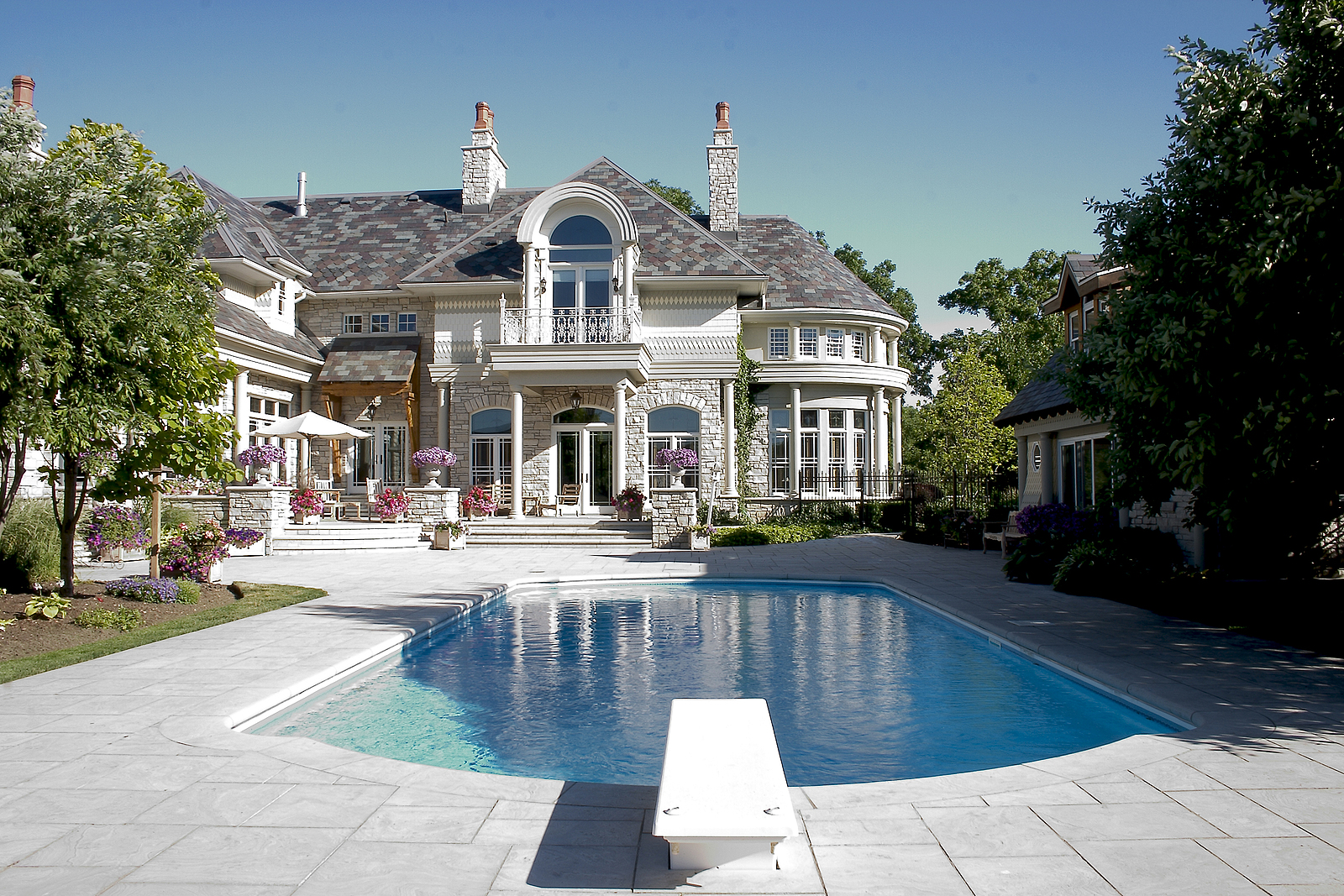
The intrinsic value of a luxury home extends far beyond its square footage or prime location. At the pinnacle of the real estate market, architectural brilliance and the reputation of its creator play an instrumental role in defining desirability and commanding premium prices. These residences are not merely dwellings; they are statements of art, engineering, and discerning taste, transforming the concept of homeownership into an appreciation of a tangible masterpiece.
The intricate details, innovative forms, and the sheer artistic vision embedded within a property’s design contribute significantly to its enduring appeal and market standing.The pedigree of an architectural design and the renown of the designer can indeed command a substantial premium in the luxury property market, often creating a unique selling proposition that transcends conventional valuation metrics. When a property bears the signature of a globally recognized architect, its desirability is immediately elevated.
Buyers in this segment are often collectors of experiences and prestige, and a home designed by a starchitect like Frank Gehry, Zaha Hadid, or Tadao Ando is akin to owning a piece of functional art. The narrative behind the design, the conceptualization, and the execution all contribute to a story that buyers are willing to invest in. For instance, a villa designed by a Pritzker Prize laureate will inherently attract a different caliber of buyer and command a price point that reflects not just the materials and labor, but the intellectual property and artistic legacy.
This “signature” effect creates a powerful unique selling proposition, distinguishing the property from others in its class. The rarity of such designs, coupled with the architect’s established reputation for innovation and aesthetic excellence, fosters a sense of exclusivity. Potential buyers understand that they are acquiring not just a residence, but a landmark, a testament to visionary design that will likely appreciate in value due to its inherent artistic merit and limited supply.
You also will receive the benefits of visiting beach houses for sale in florida today.
This appreciation is not solely based on market trends but on the intrinsic value of owning a piece of architectural history. The publicity and critical acclaim surrounding such projects further enhance their allure, making them highly sought-after by individuals who value legacy, innovation, and unparalleled design.
Enduring Appeal of Sustainable and Smart Homes
In today’s discerning luxury market, homes that integrate innovative sustainable design principles and cutting-edge smart home technology are not just a trend; they represent an enduring appeal and remarkable price resilience. This is driven by a confluence of factors, including growing environmental consciousness among affluent buyers, a desire for enhanced comfort and convenience, and the long-term economic benefits these features offer.
Buyers are increasingly recognizing that a well-designed sustainable home is not only ethically responsible but also a wise investment. Features such as advanced insulation, energy-efficient windows, solar panel integration, and geothermal heating and cooling systems significantly reduce operational costs over the lifetime of the property. This translates to lower utility bills, a tangible benefit that appeals to the financial acumen of luxury buyers.
Furthermore, the integration of smart home technology, encompassing sophisticated climate control, advanced security systems, automated lighting, and integrated entertainment, offers unparalleled convenience and a heightened living experience. These systems can be personalized to individual preferences, creating an environment that is both responsive and intuitive. The ability to manage a home remotely, optimize energy consumption, and enhance security through seamless digital interfaces is highly attractive to busy professionals and global travelers.
The technological sophistication of these homes also signals a forward-thinking approach to living, aligning with the aspirations of buyers who seek the latest in innovation and efficiency. This combination of ecological responsibility and technological advancement creates a powerful value proposition that ensures these properties remain desirable and command premium pricing, even in fluctuating market conditions.
Contribution of Outdoor Living Spaces to Luxury Home Desirability
The integration of extensive outdoor living spaces, such as meticulously manicured gardens, private pools, and expansive entertaining terraces, significantly contributes to the overall desirability and price of luxury homes. In an era where work-life balance and personal well-being are paramount, these outdoor amenities transform a property from a mere dwelling into a private sanctuary and an extension of the living experience.
These spaces offer opportunities for relaxation, recreation, and social gatherings, catering to the sophisticated lifestyles of affluent buyers. Manicured gardens, often designed by landscape architects, provide a serene and aesthetically pleasing environment, enhancing the visual appeal and tranquility of the property. They offer a connection to nature, a valuable commodity in increasingly urbanized settings. Private pools, ranging from infinity-edge designs overlooking breathtaking vistas to secluded oases, serve as focal points for leisure and entertainment, providing a luxurious escape and a space for family enjoyment.
Entertaining terraces, equipped with outdoor kitchens, dining areas, and comfortable seating arrangements, are designed for seamless hosting, allowing residents to entertain guests in style and comfort, often with panoramic views. These outdoor areas are not simply add-ons; they are integral components of the luxury living experience, offering a tangible increase in usable space and lifestyle enhancement. The careful planning and execution of these outdoor realms, often mirroring the quality and design of the interior, add significant value, making the property more attractive to a wider range of discerning buyers who prioritize an elevated outdoor lifestyle.
Perception and Pricing of Unique Structural Elements
Unique structural elements within a luxury home are perceived and priced by discerning buyers as defining characteristics that imbue a property with personality, grandeur, and an unparalleled sense of bespoke luxury. These elements are not mere functional components; they are design statements that elevate a residence from the ordinary to the extraordinary, contributing significantly to its overall value and market appeal.
Grand foyers, for instance, serve as the initial impression of a home, setting a tone of opulence and sophistication. A soaring double-height foyer with intricate detailing, custom millwork, or dramatic lighting creates an immediate sense of arrival and occasion, a feature highly prized by buyers who entertain frequently or simply appreciate dramatic architectural statements. Sweeping staircases are another prime example; a beautifully crafted, free-standing staircase made from premium materials like marble, wrought iron, or exotic wood can be a central artistic feature, drawing the eye and enhancing the flow of the home.
These are not just for transit but are sculptural elements that contribute to the aesthetic narrative of the property. Custom-built entertainment areas, such as dedicated home theaters with state-of-the-art acoustics and seating, wine cellars with climate control and tasting rooms, or sophisticated game rooms, are meticulously designed to cater to specific leisure pursuits. These specialized spaces reflect a commitment to an elevated lifestyle and are highly valued by buyers who seek to replicate or surpass the amenities found in exclusive clubs or resorts.
The pricing of these elements is influenced by the complexity of their design and construction, the quality of materials used, and the degree to which they enhance the overall functionality and exclusivity of the property. Buyers recognize that these unique structural features are often costly to replicate and add a distinct character that cannot be easily replicated, thus justifying a premium in their valuation.
The evolving landscape of amenities that define and elevate opulent living spaces.
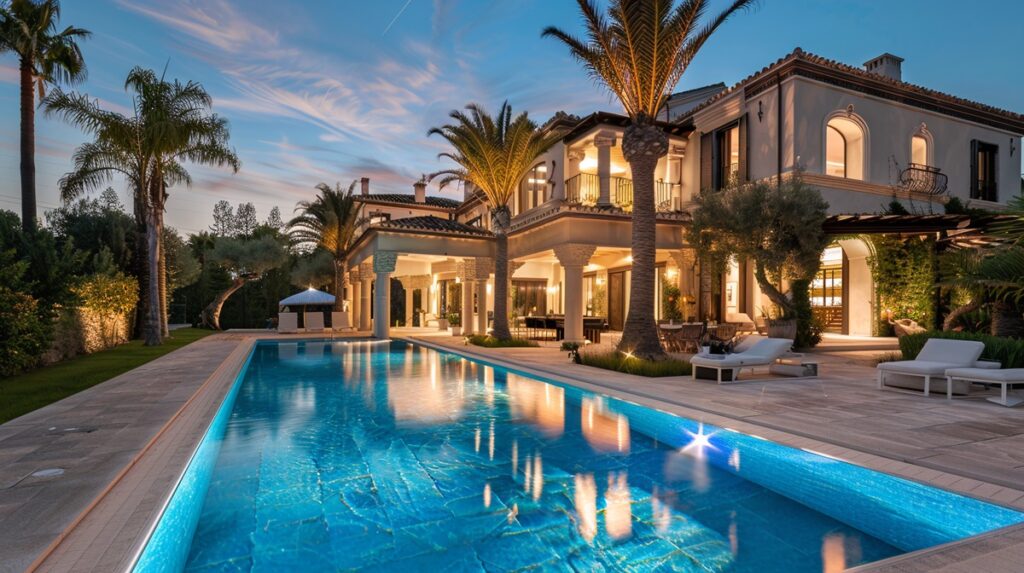
The definition of luxury in residential real estate is in constant flux, with amenities playing a pivotal role in shaping buyer expectations and, consequently, property valuations. What was once considered a high-end feature is now often the baseline for opulent living. This evolution reflects a broader societal shift towards personalized experiences, enhanced comfort, and a desire for residences that offer more than just shelter – they are curated environments for a life well-lived.
The pursuit of exclusivity and unparalleled convenience drives the demand for increasingly sophisticated and bespoke amenities, transforming ordinary homes into extraordinary sanctuaries.The modern luxury home is a testament to a discerning palate, where standard features are merely the starting point. Buyers in this segment are seeking environments that cater to their every whim and lifestyle. This has led to an explosion in the demand for amenities that were once the exclusive domain of five-star resorts or private clubs.
Think of the private spa, a sanctuary within the home offering steam rooms, saunas, massage areas, and even plunge pools, providing a daily escape from the stresses of the outside world. Home cinemas have transcended the basic projector and screen, now featuring tiered seating, professional-grade sound systems, acoustic treatments, and ambient lighting, replicating the immersive experience of a commercial multiplex.
Wine cellars have become more than just storage; they are climate-controlled showcases for discerning collectors, often featuring tasting areas and sophisticated racking systems. The kitchen, long a heart of the home, has been elevated to a professional-grade culinary hub, equipped with top-tier appliances, multiple ovens, specialized refrigeration, and ample prep space, often designed with the input of a personal chef.
These amenities are not mere additions; they are integral components that define the very essence of opulent living, directly impacting a property’s desirability and market value.
Exclusive community amenities contributing to premium property values.
Beyond the private confines of a luxury residence, the surrounding community and its exclusive amenities play a crucial role in amplifying the perceived value and commanding a premium price. In enclaves designed for the affluent, the shared infrastructure and services create an ecosystem of convenience, security, and social engagement that is highly sought after. Private clubs, often integrated into master-planned luxury communities, offer residents access to a curated lifestyle without the need to venture far.
These can include championship golf courses, private marinas, tennis facilities, and sophisticated dining venues, fostering a sense of belonging and providing unparalleled recreational opportunities. Concierge services are another cornerstone of these exclusive communities, offering a seamless extension of personal assistance. This can range from handling daily errands and reservations to arranging private transportation and event planning, freeing up residents’ valuable time and ensuring effortless living.The security infrastructure within these prestigious enclaves is typically state-of-the-art and multi-layered, providing a profound sense of safety and peace of mind.
This often includes 24/7 manned gates, advanced surveillance systems, and dedicated security patrols, creating a secure environment where residents can relax and enjoy their homes. The presence of such robust security measures significantly contributes to the premium associated with individual luxury residences within these communities. Furthermore, the sense of exclusivity and community fostered by these shared amenities creates a powerful network effect.
Residents are often drawn to these areas not only for the physical attributes of their homes but also for the lifestyle and social connections that the community provides. This collective offering of convenience, security, recreation, and social interaction creates a distinct and highly desirable living experience, justifying the elevated price points for properties within these meticulously managed enclaves. The collective investment in these shared features ensures a consistently high standard of living, making these communities highly sought after and resilient in the luxury market.
Discover more by delving into homes for sale in florida further.
The impact of integrated wellness features on high-end home valuation., Luxury home price
In the realm of high-end real estate, the integration of wellness features has transitioned from a niche consideration to a fundamental driver of perceived value and, consequently, price. The modern luxury homeowner increasingly prioritizes health, well-being, and a sanctuary-like environment that promotes a holistic lifestyle. This shift is profoundly influencing how opulent living spaces are designed and valued. Advanced air purification systems, for instance, are no longer an afterthought but a sophisticated necessity, meticulously engineered to remove allergens, pollutants, and pathogens, ensuring pristine indoor air quality.
This focus on respiratory health and a clean living environment directly contributes to a higher valuation, as it addresses a growing concern for occupant well-being.Private fitness studios are another amenity that has seen significant evolution. These are no longer just a treadmill in a spare room; they are often fully equipped spaces featuring high-end exercise equipment, specialized flooring, integrated sound systems, and even virtual reality fitness setups.
The ability to maintain a rigorous fitness routine within the privacy and convenience of one’s own home is a powerful draw for affluent buyers. Therapeutic water features, such as indoor pools with advanced filtration and temperature control, or dedicated hydrotherapy rooms with specialized jets and features, offer a sophisticated approach to relaxation and physical recovery. These elements contribute significantly to the overall sense of luxury and the restorative potential of the home.
The integration of these wellness features signifies a commitment to a healthy and balanced lifestyle, which is increasingly synonymous with opulence. Buyers are willing to invest a premium for homes that actively support their physical and mental well-being, making these integrated wellness solutions a critical component in the valuation of high-end properties. This trend is expected to continue as the understanding of the link between environment and health deepens, making wellness-centric design a non-negotiable aspect of future luxury developments.
The valuation impact of ultra-luxury property transportation amenities.
The inclusion of specialized transportation amenities can dramatically alter the valuation of an ultra-luxury property, signaling an unparalleled level of exclusivity and convenience. These are not mere conveniences but rather lifestyle enablers that cater to a very specific and affluent clientele. Consider the impact of a private helipad. For individuals who frequently travel for business or leisure, the ability to depart from and arrive directly at their residence, bypassing traffic and airport congestion, represents an enormous time-saving and privacy advantage.
This amenity can add millions to a property’s valuation, especially in densely populated urban areas or remote, exclusive locations where access is otherwise challenging. The infrastructure required for a helipad, including its structural integrity, safety certifications, and proximity to flight paths, all contribute to its significant value.Similarly, a yacht dock, especially in waterfront properties, is a powerful asset. For yacht owners, having direct access to their vessel from their home is the epitome of nautical luxury.
This amenity not only signifies wealth but also a specific lifestyle centered around maritime pursuits. The length and depth of the dock, its security, and the availability of utilities are all factors that enhance its value. Properties with extensive vehicle collection garages are also in a league of their own. These are not simply garages; they are climate-controlled, secure showrooms designed to protect and display valuable automotive collections.
Features like advanced lighting, specialized flooring, car lifts, and integrated security systems elevate these spaces to the status of an amenity in their own right. The ability to house and maintain a significant collection of high-performance or rare vehicles on-site adds a substantial premium to the property’s valuation. These transportation-centric amenities cater to a clientele that values time, privacy, and the seamless integration of their passions into their daily lives, making them highly influential factors in the valuation of ultra-luxury real estate.
Navigating the financial considerations and investment potential of high-value real estate.: Luxury Home Price
Investing in luxury real estate transcends the mere acquisition of a dwelling; it represents a significant financial undertaking with multifaceted considerations. Understanding the intricate financial landscape, from securing appropriate financing to assessing long-term investment viability, is paramount for discerning buyers and investors. This section delves into the critical financial aspects that underpin the ownership and appreciation of opulent properties, offering a comprehensive overview for those engaging with this exclusive market.The journey of acquiring a luxury home often involves navigating a specialized financial terrain, distinct from conventional property purchases.
Lenders and financial institutions offer tailored solutions for high-net-worth individuals, recognizing the unique characteristics and substantial values involved. The structure of financing can profoundly influence not only the initial accessibility of a property but also its long-term cost implications, making a thorough understanding of these options essential for strategic decision-making.
Financing Options and Mortgage Structures for Luxury Homes
Securing financing for a luxury property requires a nuanced approach, as standard mortgage products may not always suffice. Purchasers typically encounter a range of specialized loan products designed to accommodate the higher price points and unique financial profiles of affluent buyers. These options are crafted to offer flexibility and cater to the specific needs of those investing in high-value real estate, thereby impacting both the immediate affordability and the overall financial commitment.One prevalent option is the jumbo mortgage, which exceeds the conforming loan limits set by government-sponsored enterprises like Fannie Mae and Freddie Mac.
Jumbo loans often come with slightly higher interest rates and more stringent underwriting requirements, including larger down payment expectations and robust credit histories. However, they are indispensable for financing properties valued significantly above conventional thresholds. For instance, a buyer looking at a $5 million estate would almost certainly require a jumbo mortgage, potentially needing a down payment of 20-30% or more, which could range from $1 million to $1.5 million.
This substantial initial outlay significantly affects the overall cost, as a larger down payment reduces the principal loan amount, thereby lowering monthly payments and the total interest paid over the life of the loan.Another avenue is portfolio lending, where banks hold the mortgages on their own books rather than selling them into the secondary market. This allows for greater flexibility in structuring loan terms, potentially accommodating unique borrower circumstances or property types that might not fit standard guidelines.
A portfolio loan might offer more lenient debt-to-income ratio requirements or allow for creative solutions regarding the source of funds for the down payment.Bridge loans can also play a role, particularly for individuals who need to purchase a new luxury home before selling their current one. These are short-term loans that provide immediate liquidity, bridging the gap between the two transactions.
While useful for seamless transitions, bridge loans typically carry higher interest rates and fees due to their short duration and inherent risk.Cash-out refinancing of existing assets, such as investment portfolios or other properties, is another strategy. This allows buyers to tap into their existing wealth without liquidating assets that may be appreciating, providing the necessary capital for a luxury home purchase.
The cost-effectiveness of this approach depends on the prevailing interest rates for refinancing versus the potential returns of the assets being leveraged.The impact of these financing structures on overall cost is considerable. A larger down payment, while reducing the loan amount, ties up significant capital. Conversely, a smaller down payment increases the loan principal, leading to higher monthly payments and substantially more interest paid over time.
For example, on a $4 million loan at a 6% interest rate over 30 years, a 20% down payment ($1 million on a $5 million home) results in a loan of $4 million, with monthly principal and interest payments of approximately $23,982. If the down payment were only 10% ($500,000), the loan would be $4.5 million, increasing the monthly payments to about $26,979, and the total interest paid over the loan’s life would be significantly higher.
Therefore, meticulously evaluating these options against one’s financial standing and long-term goals is crucial for optimizing both accessibility and cost-efficiency in luxury real estate acquisition.
Long-Term Capital Appreciation Prospects for Luxury Properties
The allure of luxury real estate extends beyond immediate enjoyment; it is often viewed as a strategic long-term investment. Properties situated in highly desirable locations, characterized by exclusivity, natural beauty, robust infrastructure, and prestigious social amenities, tend to exhibit strong capital appreciation over time. Historical trends and current market analyses provide valuable insights into the potential growth trajectory of these valuable assets.Desirable locations are a cornerstone of luxury property value.
Consider areas like Beverly Hills in Los Angeles, the Hamptons in New York, or prime waterfront districts in Miami. These locales consistently attract affluent buyers and investors, creating sustained demand that outpaces supply. This inherent scarcity, coupled with the prestige associated with residing in such areas, acts as a powerful driver of value appreciation. For instance, data from real estate analytics firms has shown that luxury homes in these sought-after regions have historically outperformed broader market indices, especially during periods of economic stability and growth.
The average annual appreciation rate for prime luxury properties in select global cities has often been in the range of 5-10%, sometimes exceeding this during boom cycles.Historical trends offer compelling evidence. In the post-World War II era, and particularly from the late 20th century onwards, prime real estate in established luxury markets has demonstrated remarkable resilience and growth. While susceptible to economic downturns, these properties tend to recover more swiftly and often reach new valuation peaks.
For example, during the 2008 financial crisis, while many markets saw significant declines, the most exclusive segments of the luxury real estate market often experienced a less severe impact or a quicker rebound, driven by the deep pockets of their buyers and their relative insulation from subprime mortgage issues. Following the crisis, many of these prime markets saw substantial price increases as global wealth continued to accumulate.Future market projections for luxury properties are generally positive, albeit with regional variations.
Factors such as increasing global wealth, the growing number of high-net-worth individuals, and the ongoing desire for unique, high-quality living spaces continue to fuel demand. Furthermore, the limited supply of prime land and the high cost of construction for bespoke luxury residences create a natural barrier to entry, further supporting price appreciation. Trends indicate a growing preference for properties offering privacy, advanced technology, sustainable features, and unparalleled amenities, which will likely command premium valuations.
For example, properties with expansive grounds, smart home integration, and eco-friendly designs are increasingly sought after and are projected to maintain or increase their value at a higher rate than standard luxury offerings.However, it is crucial to acknowledge that not all luxury properties are created equal, and appreciation is not guaranteed. Factors such as architectural style, condition, market saturation, and broader economic conditions play a significant role.
Properties that fail to adapt to evolving buyer preferences or are located in areas experiencing economic decline may not see the same level of appreciation. Careful due diligence, including analysis of local market dynamics, comparable sales, and future development plans for the area, is essential for assessing the long-term capital appreciation potential of any specific luxury property. The enduring appeal of exclusivity, security, and lifestyle associated with prime luxury real estate, combined with the intrinsic scarcity of prime locations, positions these assets as strong contenders for sustained capital growth.
Comparative Analysis of Investment Returns: Luxury Real Estate vs. Other Asset Classes
When considering luxury real estate as an investment, a comparative analysis against other prominent asset classes such as stocks, bonds, and art is essential for a comprehensive understanding of its potential returns and risk profile. Each asset class offers unique characteristics, and their performance can vary significantly depending on market conditions and individual investment strategies. Luxury properties, while often providing tangible benefits of ownership, present a distinct investment proposition.Historically, the stock market, particularly broad-based indices like the S&P 500, has delivered robust average annual returns, often in the range of 7-10% over long periods, though with considerably higher volatility.
Stocks offer liquidity, meaning they can be bought and sold relatively quickly, and the potential for significant capital gains and dividend income. However, they are also subject to market fluctuations driven by economic news, corporate performance, and geopolitical events. For instance, during periods of economic recession, stock markets can experience sharp declines, impacting investment values significantly.Bonds, on the other hand, are generally considered a more conservative investment, offering fixed income streams and capital preservation.
Their returns are typically lower than stocks, often in the 2-5% range annually, depending on the type of bond and prevailing interest rates. Bonds are less volatile than stocks but also provide less potential for substantial capital appreciation. They are favored by investors seeking stability and predictable income, particularly in times of market uncertainty.Art, as an alternative asset class, can offer impressive returns, especially for rare and highly sought-after pieces.
The art market can be illiquid and highly speculative, with returns dependent on factors like artist reputation, provenance, condition, and market trends. High-end art has, in some instances, appreciated at rates exceeding traditional assets, but it requires significant expertise to navigate and carries substantial risks, including authentication challenges and fluctuating demand. For example, a masterpiece by a renowned artist might increase in value by 15-20% or more in a strong market, but its sale can take months or even years.Luxury real estate, while often illiquid compared to stocks, offers a blend of tangible asset ownership, potential for capital appreciation, and the possibility of rental income.
Its appreciation potential, as discussed, can be substantial in prime locations, often comparable to or exceeding stock market returns over the long term, particularly when considering the total return, which includes rental income and potential tax benefits. However, luxury real estate also involves significant transaction costs (brokerage fees, legal expenses), ongoing ownership costs (property taxes, insurance, maintenance), and requires substantial capital outlay.
Its illiquidity means that selling a luxury property can take months, impacting the ability to access capital quickly.A key differentiator for luxury real estate is its tangible nature and the lifestyle benefits it provides. An investor might derive personal enjoyment from a luxury vacation home, a benefit not offered by stocks or bonds. This “utility value” can be a significant factor for individuals investing in these properties.
Furthermore, luxury real estate can act as a hedge against inflation, as property values and rents tend to rise with the general price level. While stocks can also serve as an inflation hedge, their volatility can be a concern.In conclusion, while stocks offer higher liquidity and potential for rapid growth (with commensurate risk), and bonds provide stability, luxury real estate presents a compelling case for long-term wealth preservation and appreciation.
Its returns can be robust, especially in prime markets, and it offers unique tangible and lifestyle benefits. However, investors must weigh the higher initial capital requirements, transaction costs, and illiquidity against these potential advantages. A diversified investment portfolio might strategically include luxury real estate alongside other asset classes to balance risk and return.
Tax Implications and Ongoing Ownership Costs of Luxury Properties
The acquisition and ownership of luxury properties come with a distinct set of financial responsibilities, particularly concerning taxation and ongoing maintenance expenses. These costs can be substantial and require careful budgeting to ensure the long-term viability of the investment and to avoid unforeseen financial burdens. Understanding these implications upfront is crucial for any prospective owner.Property taxes are a primary ongoing expense.
The amount is determined by the assessed value of the property and the local tax rate, which can vary significantly by municipality and state. For high-value homes, property taxes can amount to tens or even hundreds of thousands of dollars annually. For instance, a $10 million property in a jurisdiction with a 1.5% property tax rate would incur annual taxes of $150,000.
These taxes fund local services such as schools, infrastructure, and public safety, and they are a non-negotiable cost of ownership. It is imperative to research the property tax history and current rates in the desired location.Homeowners’ insurance for luxury properties is also considerably more expensive than for standard homes. This is due to the higher replacement cost of the structure, the value of the contents, and the increased risk associated with features like extensive landscaping, swimming pools, guest houses, and high-end finishes.
Premiums can range from several thousand dollars to tens of thousands of dollars per year, depending on the property’s value, location (e.g., coastal areas prone to hurricanes), and the level of coverage desired. Umbrella insurance policies, which provide additional liability coverage above and beyond standard homeowners’ policies, are often recommended and sometimes required for luxury properties, adding another layer to the insurance costs.Upkeep and maintenance represent another significant and often underestimated expense.
Luxury homes are typically larger, feature more complex systems (e.g., smart home technology, elaborate HVAC systems, swimming pool and spa maintenance), and are finished with high-end materials that require specialized care. Regular maintenance, from landscaping and gardening to pool cleaning, security system servicing, and interior upkeep, can easily amount to 1-3% of the property’s value annually. For a $10 million estate, this could mean $100,000 to $300,000 per year dedicated solely to maintaining the property in pristine condition.
This does not include unexpected repairs, which can be particularly costly for custom-built homes or properties with unique architectural features.Beyond these recurring costs, there are potential tax implications related to ownership and potential sale. Depending on the jurisdiction, there may be wealth taxes or luxury taxes levied on high-value assets. When the property is eventually sold, capital gains tax will likely apply to any profit realized, though primary residence exemptions may apply in some cases.
The calculation of capital gains tax can be complex, especially if the property has undergone significant improvements or has been held for an extended period.Furthermore, if the property is used as a rental investment, owners will be subject to income tax on rental earnings, and there may be specific regulations and taxes associated with short-term rentals (e.g., Airbnb) in certain areas.
The costs associated with property management, if the owner does not reside in the property full-time, also need to be factored in. These can include fees for property managers, concierge services, and staff such as housekeepers or groundskeepers. For a property valued at $10 million, comprehensive annual ownership costs, including property taxes, insurance, and a conservative estimate for maintenance and upkeep, could easily exceed $250,000 to $500,000, not including potential capital gains taxes upon sale or costs related to financing.
Therefore, a thorough financial assessment of these ongoing expenses is as critical as evaluating the purchase price itself.
Ultimate Conclusion
In essence, understanding luxury home price requires a holistic view, acknowledging the confluence of intrinsic property qualities, sophisticated market economics, and expert valuation. The architectural brilliance, the cutting-edge amenities, and the sheer exclusivity all contribute to a property’s standing, while broader economic trends and localized market forces provide the essential context. By appreciating the nuanced methodologies employed in their assessment and the strategic marketing approaches utilized, one can truly grasp the intricate forces that shape the value of these prestigious abodes, offering insights into both their current market standing and their potential as long-term investments.
Frequently Asked Questions
What is the average price increase for luxury homes year-over-year?
The average price increase for luxury homes can vary significantly by region and market conditions, but typically it’s higher than the general housing market, often in the mid to high single digits, sometimes exceeding 10% in very strong markets.
How do renovations affect the price of a luxury home?
High-quality, well-executed renovations that enhance functionality, aesthetics, and add desirable amenities can significantly increase a luxury home’s price, often yielding a return on investment that matches or exceeds the renovation cost.
Are luxury homes more or less susceptible to market downturns?
Luxury homes can be more insulated from minor market downturns due to the wealth of their buyers, but they can also experience sharper declines in severe economic recessions as discretionary spending and investment capital retract.
What role does a prestigious address play in luxury home pricing?
A prestigious address in an exclusive neighborhood is a primary driver of luxury home pricing, offering not just desirable surroundings but also a sense of status, security, and access to premium amenities and services.
How important is the “wow factor” in luxury home pricing?
The “wow factor,” referring to unique, impressive, and often unexpected features, is crucial in luxury home pricing. It creates emotional appeal and perceived value, differentiating a property and justifying a premium price.